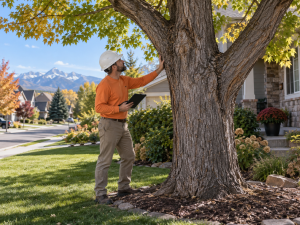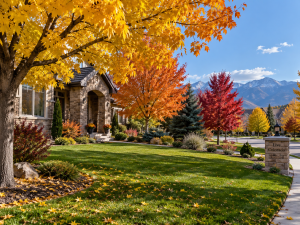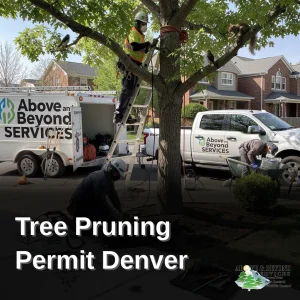
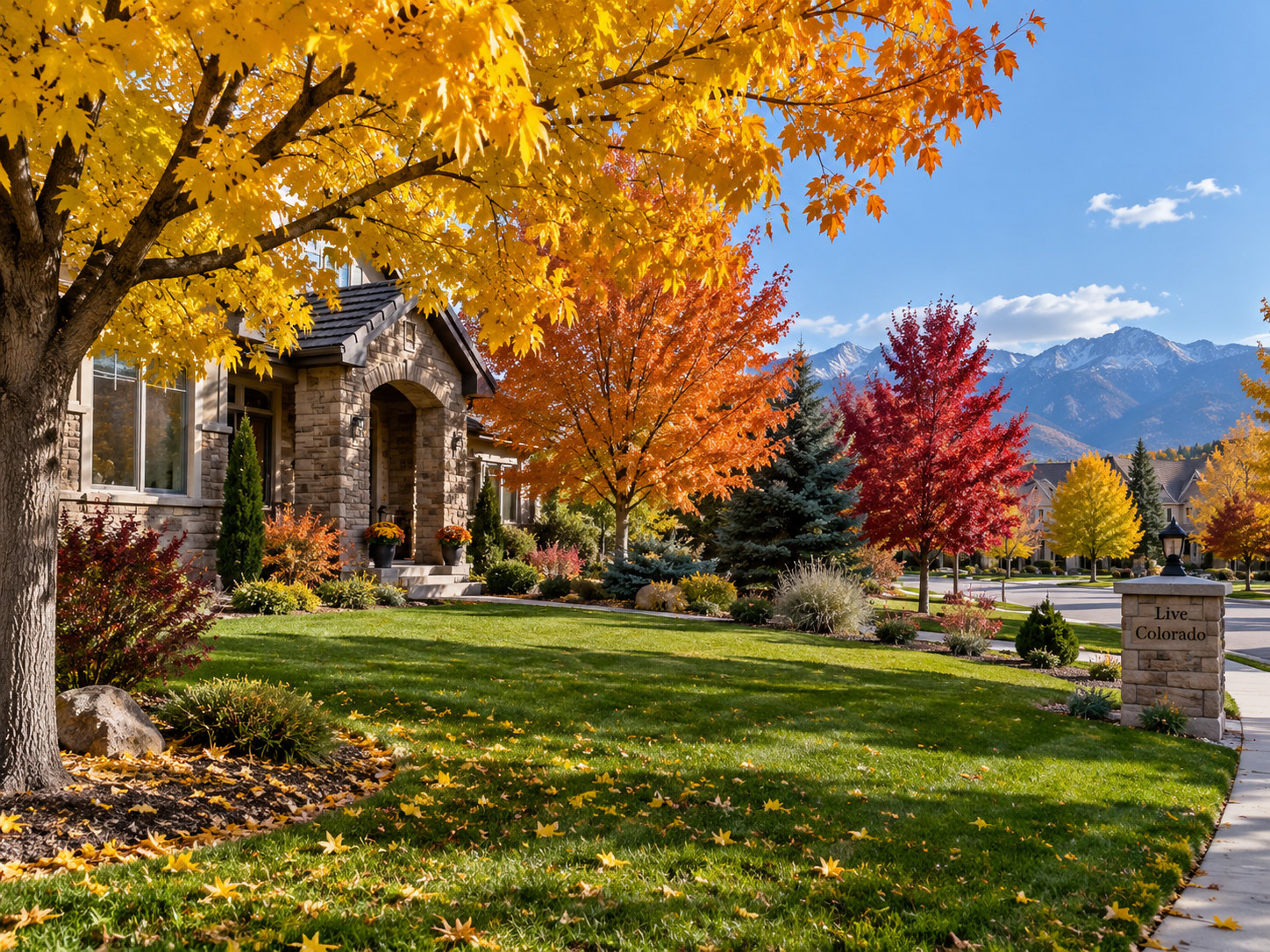
Denver Fall Tree Care, Prepare for Winter Now. Fall tree care in Denver requires deep root watering, structural pruning, and pest inspection before the average first frost date of October 7. Denver’s climate spans USDA zones 5b to 6a, with sharp temperature swings demanding extra protection for new plantings. Above and Beyond Services delivers professional pruning and plant health care to safeguard trees through Colorado’s winter months. Proper fall tree care denver is essential for long-term tree health.
Core Insights
-
Denver’s first frost typically arrives October 7, requiring immediate fall tree preparation and protection measures.
-
Temperature swings between day and night in Denver’s fall season stress trees without proper autumn care.
-
USDA zones 5b and 6a define Denver’s climate, determining which tree species thrive in our region.
-
Limited fall rainfall in Denver means supplemental watering remains essential through early November for tree health.
What Should You Know Before Denver’s First Frost?
Denver’s climate turns fall tree preparation into a necessity, not an afterthought. Low precipitation, poor soil quality, and wild temperature swings stress root systems long before winter arrives, according to the City and County of Denver’s General Tree Care guidance. Skipping seasonal upkeep leaves trees vulnerable to frost cracking, dehydration, and root damage that can take years to reverse.
To ensure the best results, consider consulting experts in fall tree care denver for customized advice.
Denver Fall Tree Care planning starts with knowing the frost calendar. The average first frost lands on October 7, but records show it has arrived as early as September 8 and as late as November 15. Waiting until a specific calendar date risks losing tender plantings to an unexpected early freeze.
When Does Denver’s First Frost Typically Arrive?
Frost timing in Denver varies more than most homeowners expect. The average date sits in early October. A five-week window on either side means preparation should begin by late summer. New plantings need earlier protection than established trees, since younger root systems tolerate cold far less reliably.
Who Handles Fall Tree Preparation Across the Denver Area?
Above and Beyond Services is based in Denver, Colorado, giving crews direct, firsthand familiarity with the region’s fall conditions. An experienced team stands ready to mobilize across the metro area for pruning, soil treatment, and winterization work ahead of the frost window described above.
Property managers and homeowners seeking a consistent closing brand-aligned call to action should schedule a fall tree assessment with Above & Beyond Services well before October arrives. Crews across the Denver area book quickly during peak preparation season. Acting early protects root systems from the soil stress and temperature extremes that define a Colorado winter.

How Do You Water And Mulch Trees This Fall?
Correct fall watering and mulching depends on Denver’s specific growing zone, not a generic calendar. Metro Denver sits within USDA Agricultural Zones 5b. 6a, a placement that shapes when trees need supplemental moisture and how deep mulch layers should go before the ground freezes. Skipping this step leaves root systems exposed to the wide temperature swings. Dry spells common across the region, setting trees up for stress damage that often doesn’t show until spring.
Denver Fall Tree Care starts with a realistic look at soil moisture, since fall precipitation in the metro area rarely delivers enough water on its own. Certified technicians and arborists build outdoor care plans around the particular soil composition, sun exposure, and drainage patterns of each property, rather than applying a one-size-fits-all routine. That local knowledge matters most in a climate where a few degrees or an extra dry week can determine whether a tree survives winter in good health.
How much water do trees need before winter?
Established trees generally need deep, infrequent watering through fall until the ground freezes, focusing moisture at the root zone rather than the surface. Newly planted trees require closer attention, since young root systems have less stored reserve to draw on during cold snaps.
What is the right mulch depth for Denver trees?
A layer of mulch spread evenly around the base, kept clear of the trunk, helps regulate soil temperature and retain moisture during dry stretches. Recommended steps include:
-
Clear existing debris and weeds from the root zone.
-
Apply mulch two to four inches deep in a wide ring.
-
Keep mulch several inches away from direct trunk contact.
-
Adjust watering frequency based on rainfall and soil dryness.
Above & Beyond Services applies this same local-conditions approach across Denver-area properties, giving homeowners and property managers a dependable path to healthier trees through winter.
When Should You Prune Trees In Denver’s Climate?
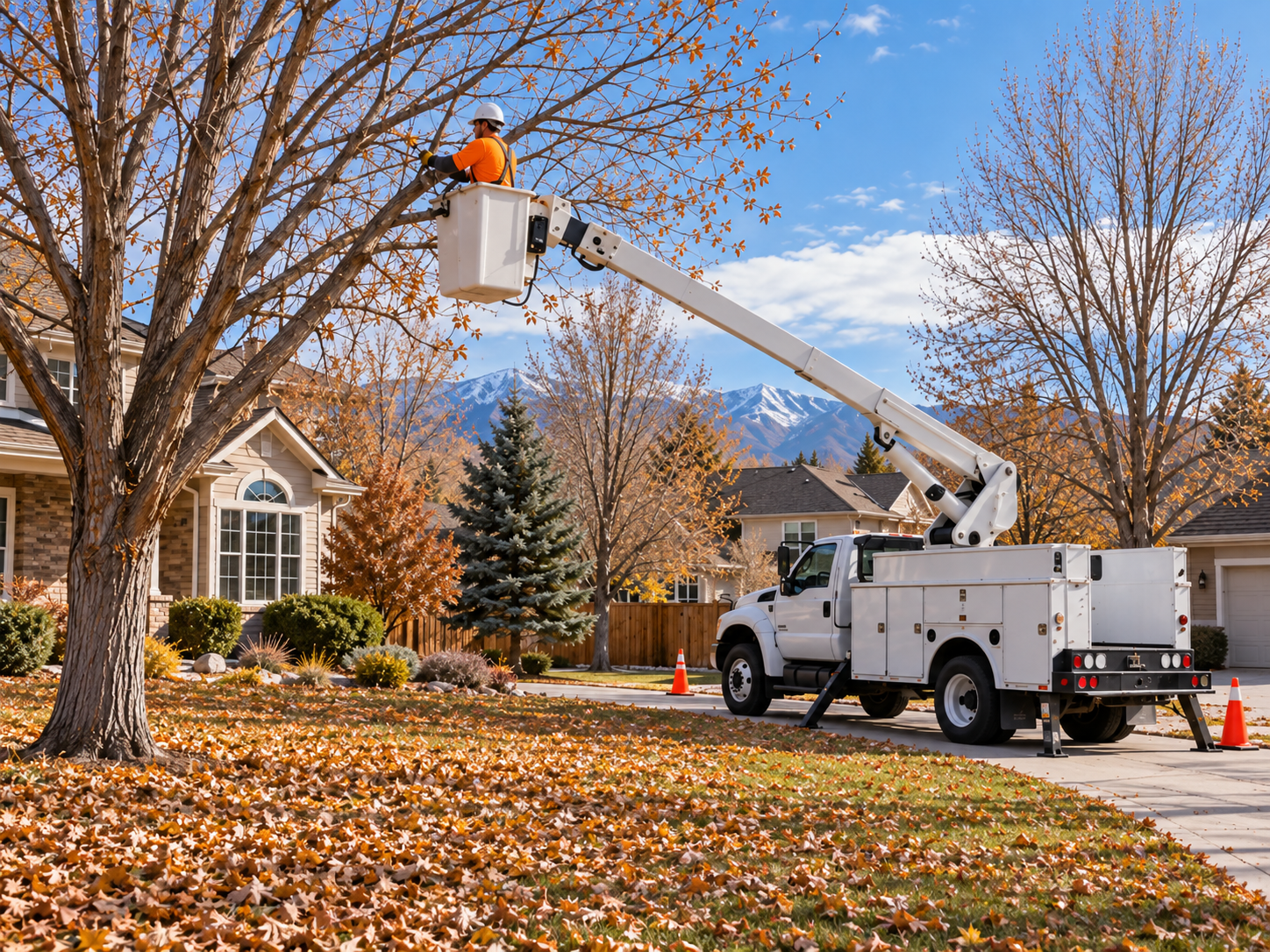
Late autumn, once leaves drop but before the ground freezes solid, marks the safest pruning window for Denver’s trees. Many area homeowners already learned this lesson the hard way, watching harsh winter weather snap weak limbs and damage trees left unpruned. That kind of loss — a split trunk, a downed branch, a tree that never fully recovers — is preventable with proactive Denver Fall Tree Care. Waiting until spring storms hit means gambling with limbs that were already compromised months earlier.
Protecting a landscape starts with timing. Property owners get the strongest results by pairing correct seasonal timing with proper tools. Technique, rather than pruning on impulse whenever a branch looks unruly. Certified arborists typically follow this sequence:
-
Wait until trees enter dormancy, generally after leaf drop, before making major cuts.
-
Inspect the canopy for dead, diseased, or cracked limbs that pose winter hazards.
-
Remove hazardous branches first, then shape for structure and airflow.
-
Use clean, sharp tools to make precise cuts that heal quickly.
-
Avoid over-pruning, which stresses trees heading into the coldest months.
Followed correctly, this sequence protects safety, encourages vigorous spring growth, and keeps trees looking their best through the winter months.
Why does pruning timing matter so much in Denver?
Denver’s dramatic temperature swings and dry conditions leave trees little margin for error. Pruning during dormancy limits the stress and disease exposure that active growth periods invite. Cutting at the wrong time leaves fresh wounds exposed through a harsh, unforgiving winter.
Who should handle Denver tree pruning?
Insured, ISA Certified Arborists serving the Denver area bring the tree removal, trimming, pruning, and plant health care expertise most homeowners cannot replicate alone.
How Do You Protect Trunks And Soil For Winter?
Trunk wraps and soil insulation guard Denver trees against sudden freezes before winter takes hold. Denver carries roughly a 50 percent chance of snowfall before Halloween, which turns trunk and soil protection into a race against the calendar rather than a leisurely fall chore. Property managers and homeowners who wait until December often find bark split by early cold snaps and root zones already frozen solid.
Denver Fall Tree Care protection follows a clear sequence:
-
Inspect trunks for existing sunscald or splitting before wrapping season begins.
-
Apply breathable trunk wrap from the base up to the first major branch, focusing on young or thin-barked trees.
-
Spread a layer of mulch around the root zone, keeping it a few inches back from the trunk itself.
-
Water deeply before the ground freezes, since dry soil loses insulating value fast.
-
Recheck wraps and mulch depth after any major windstorm or heavy snowfall.
Do Native Trees Need The Same Protection?
Native trees still benefit from mulch and moisture, but they generally need less intervention. Species suited to Denver’s ecoregion tend to handle the region’s sharp fall temperature swings with greater resilience than imported varieties. Non-native or newly planted trees, by contrast, deserve extra wrapping and closer monitoring through the season.
Why Hire A Certified Team For This Work?
Correct wrap tension and mulch depth matter more than they appear to. A certified team bringing decades of combined experience applies personalized, high-quality techniques that protect bark without trapping moisture or inviting pests. That expertise, paired with environmentally responsible methods suited to any property type, keeps trunks and soil protected through Denver’s harshest months. Property owners ready to schedule a fall protection visit can contact Above. Beyond Services today to book a consultation before the first freeze arrives.
What Mistakes Should You Avoid This Fall?
Denver property owners lose the most trees not to disease, but to timing errors made in October and November. Skipping deep-root watering before the ground freezes, pruning at the wrong point in the dormancy cycle, and ignoring early frost warnings all shorten a tree’s lifespan. Denver Fall Tree Care demands attention to the region’s specific soil. Climate patterns, not a generic seasonal checklist borrowed from milder states.
Being based in Denver, Colorado gives a provider the ground-level view needed to catch these regional mistakes before they turn costly. A team unfamiliar with Denver’s clay-heavy soil and rapid temperature swings misses warning signs that local specialists spot immediately.
Why Does Timing Matter So Much Here?
Denver’s dormancy window closes fast once nighttime temperatures drop. Pruning too late stresses trees already weakened by summer heat, while watering too little before freeze leaves roots brittle through winter.
To avoid the season’s most common failures, property owners should follow this sequence:
-
Schedule a root and soil inspection before the first hard freeze.
-
Deep-water trees on a consistent schedule through late fall.
-
Time pruning to the tree’s dormancy stage, not the calendar.
-
Apply mulch correctly to insulate roots without smothering them.
An experienced team provides the response capacity needed to complete these steps across multiple properties before winter weather arrives. That capacity matters most when paired with roots that run deep: providers with over three decades of hands-on tree and lawn experience recognize oversights homeowners routinely miss.
Take Note:
When should Denver homeowners start preparing trees for frost?
Denver’s average first frost arrives October 7, but records show dates as early as September 8. Preparation should begin by late summer to protect trees adequately.
Why does Denver’s climate make fall tree care essential?
Low precipitation, poor soil quality, and sharp temperature swings stress root systems. Denver’s USDA zones 5b to 6a create conditions that demand deep watering and mulching before ground freezes.
Who provides fall tree care services in the Denver area?
Above and Beyond Services, based in Denver, Colorado, deploys a 15-person team across the metro area for pruning, soil treatment, and winterization ahead of the frost window.
Conclusion
In closing, fall tree care in Denver demands attention to detail and professional expertise to protect your landscape through the changing season. By addressing pruning, health assessments, and preventive maintenance now, you invest in the longevity and vitality of your trees for years to come. Our licensed team stands ready to deliver the comprehensive care your property deserves, ensuring your outdoor space remains safe, healthy, and beautiful as winter approaches.