Top Signs Your Trees Need Pruning for a Healthy Landscape
Maintaining a beautiful, healthy yard requires proactive care, and recognizing the signs your trees need pruning is one of the most crucial steps you can take. Just like any other living organism, your property’s trees demand regular attention to truly thrive and avoid becoming safety hazards.
This guide will explore the top indicators that it’s time to trim your branches, helping you keep your landscape both structurally sound and visually attractive. You will learn about the common indicators of poor tree health, the distinct benefits of timely trimming, and the best practices for seasonal maintenance. By understanding these critical warnings early, you can prevent costly property damage, improve canopy airflow, and promote the long-term longevity of your beloved trees.
In this guide, we will cover the most common signs that your trees need attention, how dead or dying branches signal the need for pruning, and the best times to prune trees in Denver. Additionally, we will discuss how proper tree maintenance enhances property safety and aesthetics, and why professional tree pruning services are essential for optimal tree health.
What Are the Most Common Tree Pruning Signs Indicating Your Trees Need Attention?
Identifying the signs that your trees need pruning is essential for maintaining their health and appearance. Common indicators include:
- Dead or Dying Branches: These branches can pose a risk of falling and should be removed promptly.
- Crowded Growth: When branches are too close together, they can hinder airflow and sunlight penetration, leading to health issues.
- Signs of Disease: Fungal growth, discoloration, or unusual leaf drop can indicate that a tree is struggling and may require pruning.
Recognizing these signs early can prevent further damage and ensure your trees remain healthy and vibrant.
How Do Dead or Dying Branches Signal the Need for Pruning?

Dead or dying branches are a clear indication that your tree requires immediate attention. These branches often exhibit brittleness, discoloration, and a lack of foliage. When branches die, they can become a safety hazard, as they may fall unexpectedly. Pruning these branches not only improves the tree’s appearance but also reduces the risk of injury or property damage. By removing dead or dying branches, you allow the tree to focus its energy on healthy growth, promoting overall vitality.
What Are Tree Trimming Warning Signs Related to Overgrown or Crowded Branches?
Overgrown or crowded branches can lead to several issues, including limited airflow and increased competition for sunlight. Signs that your tree may be overcrowded include:
- Limited Airflow: If branches are too close together, they can trap moisture, leading to fungal diseases.
- Signs of Stress: Yellowing leaves or stunted growth can indicate that the tree is struggling due to overcrowding.
- Crossing Branches: When branches rub against each other, they can cause wounds that invite pests and diseases.
Addressing these issues through proper pruning can enhance the tree’s health and aesthetic appeal.
When Is the Best Time to Prune Trees in Denver for Optimal Tree Health?
The timing of tree pruning is crucial for ensuring optimal health. In Denver, the best times to prune trees are typically late winter to early spring. Pruning during these periods minimizes stress on the tree and allows for better healing. Early spring prepares the tree for the growing season, while late winter pruning helps to remove any dead or diseased wood before the new growth begins. Understanding the best times to prune can significantly impact the health and longevity of your trees.
How Do Seasonal and Local Climate Factors Influence Pruning Timing?
Seasonal and local climate factors play a significant role in determining the best time for tree pruning. In Denver, temperature fluctuations and moisture levels can affect tree health. During the active growth phase in spring, trees are more resilient to pruning, allowing for quicker recovery. Conversely, pruning during extreme heat or cold can stress the tree and hinder its ability to heal. Being aware of these factors can help you choose the optimal time for pruning, ensuring your trees remain healthy and robust.
What Are Recommended Pruning Methods for Different Tree Types and Seasons?
Different tree types require specific pruning methods to ensure their health and longevity. Here are some recommended approaches:
- Deciduous Trees: Prune during dormancy in late winter or early spring to encourage new growth.
- Evergreens: Light pruning can be done in late spring to maintain shape without compromising health.
- Flowering Trees: Prune after flowering to avoid cutting off next season’s blooms.
Understanding the unique needs of each tree type can help you implement effective pruning strategies.
How Does Proper Tree Pruning Improve Tree Health and Landscape Appearance?
Proper tree pruning offers numerous benefits that enhance both tree health and landscape aesthetics. Key benefits include:
- Promotes Healthy Growth: Pruning encourages new growth by removing dead or diseased branches.
- Improves Airflow: Thinning out crowded branches allows for better airflow, reducing the risk of disease.
- Enhances Aesthetic Appeal: Well-pruned trees contribute to a more attractive landscape, increasing property value.
By prioritizing proper pruning techniques, you can ensure that your trees thrive and your landscape remains visually appealing.
In What Ways Does Pruning Prevent Tree Diseases and Promote Growth?
Pruning is a proactive measure that helps prevent tree diseases and promotes healthy growth. By removing dead or diseased branches, you minimize the risk of pathogens spreading throughout the tree. Additionally, pruning allows for better sunlight penetration and airflow, which are essential for maintaining tree health. This practice encourages robust growth and can lead to a more vibrant and resilient tree.
How Does Tree Maintenance Enhance Property Safety and Aesthetics?
Regular tree maintenance, including pruning, significantly enhances property safety and aesthetics. Well-maintained trees reduce the risk of falling branches, which can cause injury or property damage. Furthermore, trees that are pruned regularly contribute to a more polished and attractive landscape. This not only improves the overall appearance of your property but can also increase its value.
What Safety Hazards Arise from Neglecting Tree Pruning?
Neglecting tree pruning can lead to several safety hazards, including:
- Falling Branches: Dead or weak branches can fall unexpectedly, posing a risk to people and property.
- Structural Instability: Overgrown trees may develop structural weaknesses, increasing the likelihood of failure during storms.
- Tripping Hazards: Low-hanging branches can obstruct walkways, creating potential tripping hazards.
Addressing these hazards through regular pruning is essential for maintaining a safe environment.
How Can Unpruned Trees Pose Risks to Property and People?
Unpruned trees can pose significant risks to both property and people. Falling branches can cause damage to vehicles, roofs, and other structures. Additionally, overgrown trees can obstruct visibility, creating hazards for drivers and pedestrians. By prioritizing tree maintenance, you can mitigate these risks and ensure a safer environment for everyone.
What Are Warning Signs of Structural Weakness in Trees?
Identifying structural weaknesses in trees is crucial for preventing potential hazards. Warning signs include:
- Trunk Cracks: Visible cracks in the trunk can indicate internal damage and instability.
- Exposed Roots: Roots that are visible above ground may suggest that the tree is unstable.
- Decay or Cavities: Signs of decay can compromise the tree’s structural integrity.
Recognizing these signs early can help you take appropriate action to protect your trees and property.
Why Should You Choose Professional Tree Pruning Services in Denver?
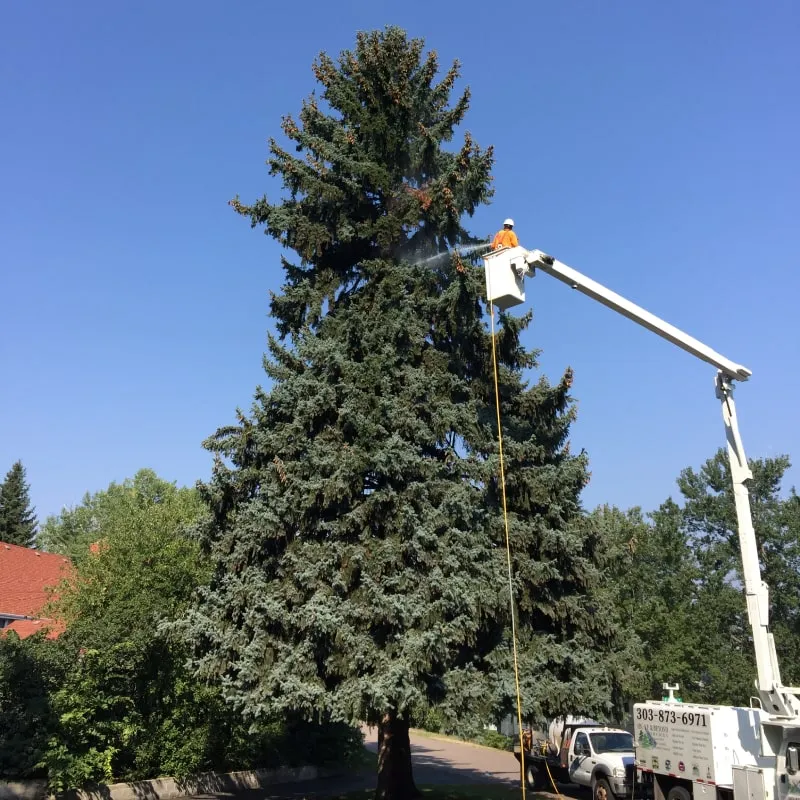
Choosing professional tree pruning services is essential for ensuring the health and safety of your trees. Professionals bring expertise and specialized tools that enhance the effectiveness of pruning. They can assess the condition of your trees and implement the best practices for maintenance. Additionally, professional services can help prevent property damage and promote tree longevity.
What Expertise and Tools Do Professionals Bring to Tree Maintenance?
Professional tree care providers, such as ABOVEandBEYOND SERVICES, utilize a range of expertise and tools to ensure effective tree maintenance. Their team includes ISA-certified arborists who understand the specific needs of various tree species. They employ specialized equipment to perform precise cuts, minimizing stress on the tree and promoting healthy growth. This level of expertise is crucial for maintaining the health and safety of your landscape.
How Does Professional Pruning Extend Tree Lifespan and Enhance Safety?
Professional pruning not only enhances the aesthetic appeal of trees but also extends their lifespan. By removing dead or diseased branches, professionals help trees allocate resources more effectively, promoting healthy growth. Furthermore, proper pruning techniques improve structural integrity, reducing the risk of failure during adverse weather conditions. Investing in professional tree care is a proactive approach to ensuring the longevity and safety of your trees.