Winter Wildlife Intrusions in Colorado Homes: Causes & Prevention Tips
Did you know Colorado wildlife control calls spike by nearly 40% after the first frost? As soon as that winter chill settles in, wild animals all over the state, including the Denver metro area—begin searching for warmth and shelter.
A Startling Surge: Why Colorado Sees More Wildlife Control Calls Each Winter
Why? The primary reason is simple—harsh winter conditions drive a wide variety of wild animals to seek warmth, shelter, and reliable food supplies
In suburbs and cities alike, homes offer inviting entry points—open vents, gaps along foundations, uncapped chimneys, and loose siding—that desperate critters exploit. Once inside, these animals can inflict significant damage by chewing wires, burrowing into insulation, and contaminating food stores. This spike in wildlife issues is not just an inconvenience; it represents a growing need for qualified wildlife removal and critter control professionals who understand the unique challenges of Colorado’s winters. If you’re hearing scratching in your attic or finding strange tracks in your snowy yard, now is the right time to act and protect your property from unwanted winter guests.
What You’ll Learn About Wildlife Control During Colorado Winters and Protecting Your Home:
- The most common wild animal intruders in Colorado winters
- Signs your home needs prompt wildlife removal or pest control
- Humane wildlife control methods to keep critters – and your family – safe
- Steps for choosing a professional wildlife service during winter
- Key ways to prevent future wildlife problems as cold weather continues
Understanding Why:
Common Colorado Wildlife That Like to Move Indoors
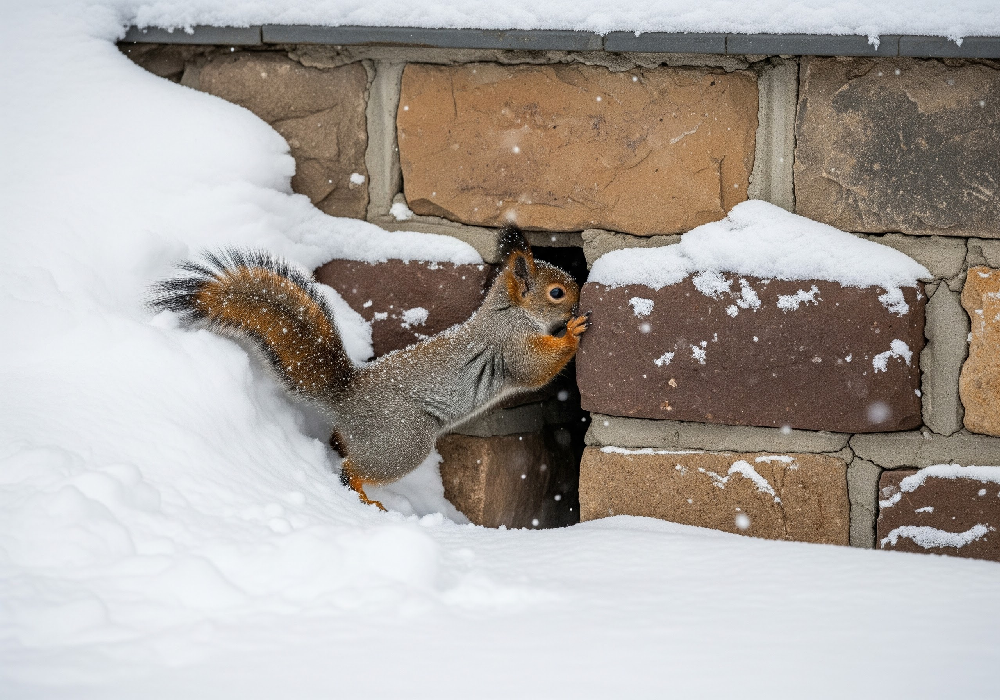
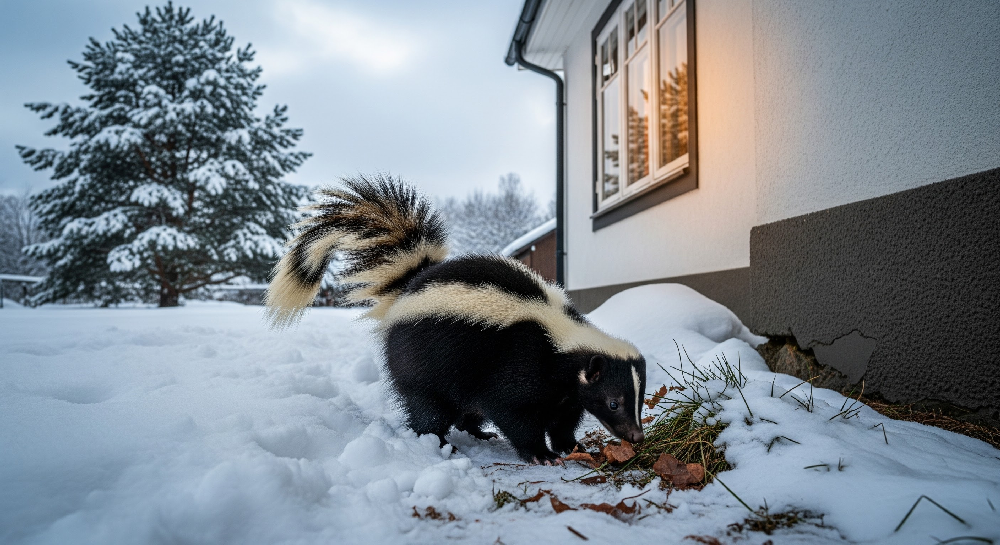
The frigid Colorado winter pushes a variety of wild animals to become uninvited guests in local homes. Squirrels, raccoons, bats, skunks, and rodents are the primary culprits, each uniquely equipped to navigate and exploit small entry points to escape the cold. In places across northern Colorado, it’s common to find these critters nesting in attics, chimneys, and crawlspaces. Their drive to survive often leads to complex wildlife control challenges, especially when populations spike after early-season snowfalls and freezing temperatures.
Raccoons are particularly adept at opening soffits and vents, while bats can slip through gaps as small as half an inch. Squirrels and mice often chew through wood or insulation, causing considerable property damage. Rodents multiply rapidly, quickly turning a minor issue into a significant infestation. Professional pest control and animal removal services know exactly how to identify these species and remove them humanely, in strict compliance with Colorado state law, ensuring peace of mind for homeowners even in the harshest months.
- Squirrels
- Raccoons
- Bats
- Skunks
- Rodents
How Cold Drives a Wildlife Problem and Demands Effective Wildlife Removal
As winter deepens, wild animals face dwindling resources outdoors—frozen water, scarce food, and less shelter. This survival pressure is what fuels the surge in wildlife removal service requests that Colorado sees every year. Wild animals, from bats to raccoons and squirrels, become bolder and more persistent in their search for warmth and safety. Homes, with their consistent temperatures and abundance of hiding spots, are simply irresistible compared to the bitter cold and open predators outside.
Not only are animal problems more common in winter, but they are typically more severe and urgent. A squirrel or mouse infestation can escalate quickly, leading to chewed wiring, ruined insulation, and contaminated spaces. Effective wildlife control services step in to address these escalations, applying humane wildlife control methods to safely remove the animal, prevent further entry, and restore safe living conditions. Winter conditions also demand rapid response—both for animal welfare and household safety—making experienced, professional wildlife removal critical during Colorado’s coldest months.
“As temperatures drop, animals like raccoons and squirrels search for warmth, food, and nesting spaces in attics and basements.” – Certified Pest Control Specialist
Wildlife Control Colorado Winter: Risks of Ignoring Unwanted Animal Guests
The risks of ignoring a wildlife problem in winter go far beyond the occasional scratching noise or unsettling sighting. When wild animals breach your home, they bring with them a range of hazards—including property destruction and health threats. Chewed electrical wires, for example, are a leading cause of fire hazards in homes with animal infestations, while animal droppings and urine contaminate insulation and storage spaces.
- Property damage from chewing and nesting
- Fire hazards from gnawed wires
- Spread of diseases by wild animals
- Unpleasant odors and contamination
Ignoring these issues allows animal populations to grow, which can require more extensive and expensive wildlife removal and restoration down the line. In addition, certain wildlife carry diseases such as rabies or leptospirosis, posing a direct health risk. Quick intervention from a professional wildlife control colorado winter company means you’re not just removing nuisance wildlife but also safeguarding your family and investment for the long haul.
Signs You Need wildlife removal or pest control This Winter
Top Signs of a Wildlife Problem Requiring Animal Removal
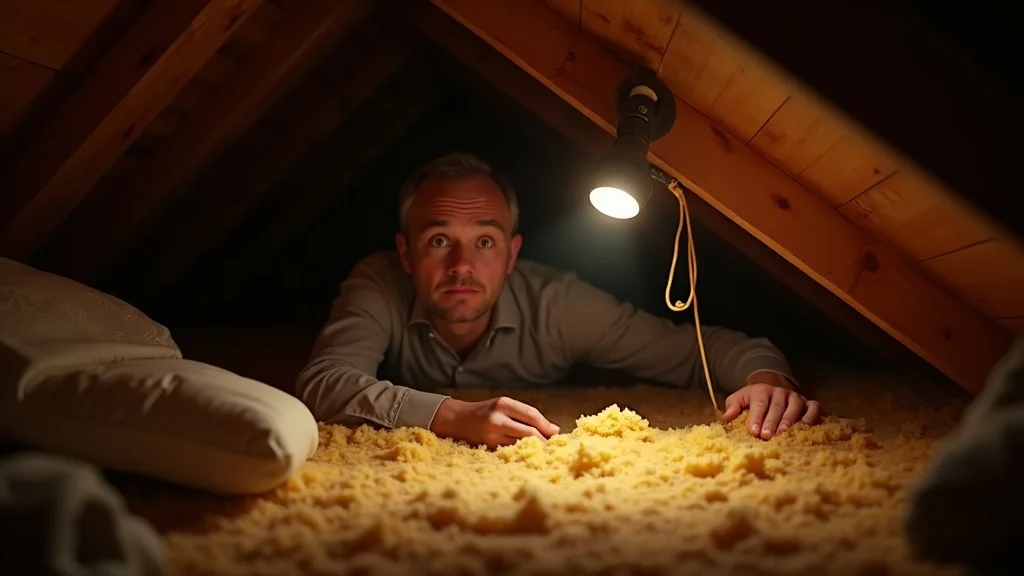
Recognizing the early indicators of animal intrusion is crucial for effective wildlife control during Colorado winters. Common warning signs include unexplained scratching, scampering, or squeaking noises emanating from your attic, walls, or crawlspaces—signals that wild animals are using your home as a hideaway. Visual cues like animal droppings, disturbed insulation, or shredded packaging are also red flags. In some cases, homeowners may discover chewed wires or wood, or notice nests built from household materials.
During snowy months, fresh animal tracks near your home’s foundation or around possible entry points, like vent openings and chimney caps, further underscore an active wildlife problem. If you spot these signs, contacting professional animal control or wildlife control service is not just wise—it’s essential for minimizing risks and damage. Even a seemingly minor critter control issue can rapidly escalate, so prompt removal services ensure peace of mind amid winter’s harshest challenges.
- Strange noises in attics or walls
- Droppings or nests found indoors
- Chewed wires and wood
- Tracks in snow near your foundation
“If you hear scratching or see insulation displaced, it’s time to call a wildlife control service.” – Local Removal Services Expert
Wildlife Removal Methods: Humane Wildlife Control in Colorado Winters
Why Humane Wildlife Removal Service Matters
Humane wildlife control is the gold standard, especially in Colorado where both state regulations and community ethics demand that animal removal be conducted responsibly. Ethical treatment means safely capturing and relocating wild animals without unnecessary harm, and ensuring families and critters are protected. Humane removal services adhere to best practices that minimize animal stress and prevent needless loss of wildlife, reflecting the core values of many Colorado residents.
- Ethical treatment of wildlife
- Compliant with Colorado animal removal regulations
Choosing a service that prioritizes humane wildlife removal also ensures all actions are within the law—eliminating legal complications and supporting a balanced ecosystem. Humane methods benefit both the animals and homeowners, offering effective, lasting solutions to wildlife problems that persist throughout the Colorado winter.
Techniques Used by Professional Wildlife Control Services
Reliability and expertise set professional wildlife control services apart, especially during Colorado winters when critter control challenges reach their peak. Animal removal experts employ a suite of humane wildlife control techniques tailored to local wildlife, from live trapping and safe relocation to advanced exclusion and deterrence strategies. Live traps are precisely set to capture wild animals without harm, while exclusion tactics—like sealing entry points and adding wire mesh barriers—ensure animals don’t return after removal.
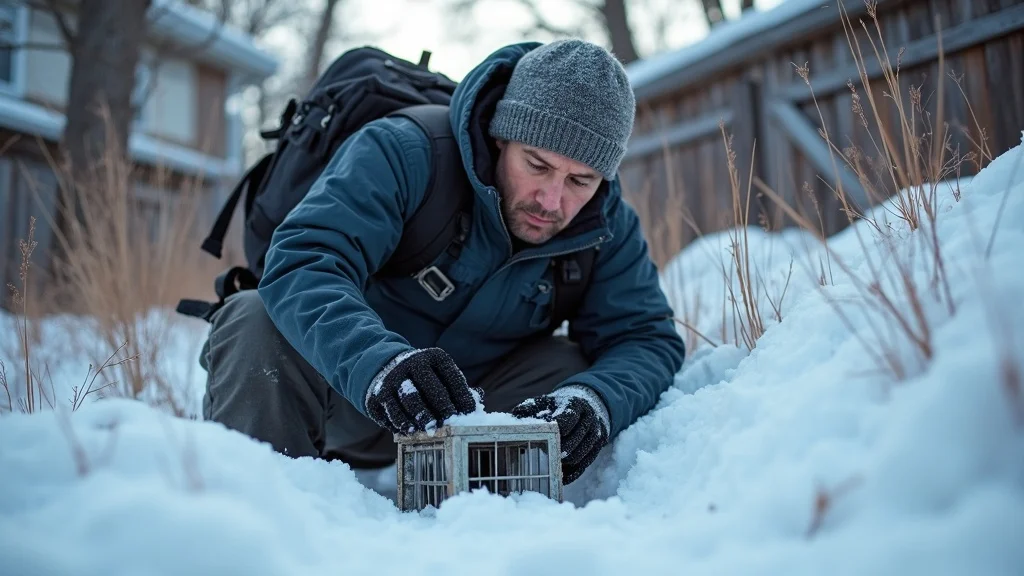
- Live trapping and relocation
- Exclusion and deterrence
- Habitat modification
Habitat modification is used to remove attractants such as food sources or nesting debris both inside and outside your property. Professional wildlife removal services further provide thorough cleanups—decontaminating affected spaces, replacing insulation, and offering follow-up inspections to prevent recurring wildlife problems. These services go far beyond what DIYers can safely accomplish, delivering peace of mind in the depths of winter.
What to Expect When Contacting Wildlife Control Colorado Winter Specialists
When you reach out to wildlife control colorado winter specialists, expect professional, prompt, and thorough service. From the first call, you’ll receive transparent communication—a technician will assess your wildlife issue, perform a detailed inspection of the property, and identify all entry points or areas of concern. Once a plan is in place, the removal service is carried out using humane and approved methods, with a focus on safety and minimal disruption to your home’s daily routine.
Many control services include follow-up visits, ensuring that the original wildlife problem is resolved and doesn’t return. You’ll also be guided on steps for ongoing prevention, from sealing gaps to improving outdoor sanitation. The process concludes only when the home is secure, restored, and families feel confident their living spaces are protected against future animal control challenges throughout the Colorado winter.
How to Choose Reliable wildlife control colorado winter Service Providers
Key Questions to Ask Fort Collins & Colorado Wildlife Removal Companies
| What to Ask | Why It Matters |
|---|---|
| Are you licensed for pest control? | Ensures you’re getting professional care |
| Do you offer humane wildlife removal? | Shows ethical standards |
| Is follow-up included? | Protects your property long-term |
| Do you handle all wild animal species? | Comprehensive service matters |
Signs of Professional Wildlife Control Services
- Prompt, courteous, and transparent communication
- Clear service guarantees
- Customized removal solutions
Look for providers who clearly explain their process, guarantee quality work, and offer solutions tailored to your unique property. A reputable wildlife control company will prioritize both your safety and the ethical treatment of Colorado’s wild animals, building trust—one winter rescue at a time.
There are resources available for keeping your home safe from wildlife in Colorado. You can help keep them out, but if they manage to get it in, it’s best to call for professional assistance.
Wildlife Prevention: Stop Wildlife Problems Before They Start
Top Critter Control Tips for Colorado Homes
Prevention remains the most effective strategy for long-term wildlife control in Colorado winters. Start by examining your home’s exterior for vulnerable entry points—look for gaps around vents, chimneys, foundation cracks, or loose siding. Sealing these areas with wire mesh or weatherproof materials is the first line of defense against determined wild animals. Always keep pet food and garbage tightly sealed, and store them indoors whenever possible to avoid attracting hungry critters like raccoons and rodents.
- Seal entry points (vents, chimneys, and gaps)
- Keep food sealed and garbage secure
- Trim trees and remove debris near your home
- Schedule routine pest control inspections
Trimming back trees and clearing away outdoor debris are also crucial steps as overhanging branches and piles of brush act as launching pads and hiding spots for nuisance wildlife. Scheduling regular pest control inspections with a professional wildlife control service is a smart way to detect and fix small issues before they worsen, especially during the unpredictable Colorado winter season.
Essential Tools for Home Wildlife Control Service
Arming yourself with the right tools can make all the difference in preventing a wildlife problem before it starts. Start with nature-safe repellents, which discourage wild animals from nesting without harming them or the environment. Wire mesh barriers are another must-have, ideal for sealing vents, soffits, and any entry point a determined critter might target. For homeowners who prefer a hands-on approach, trap-and-release cages designed for DIY removal can offer a temporary solution for smaller problems—though any larger or persistent animal removal issue should always be handled by experienced professionals.
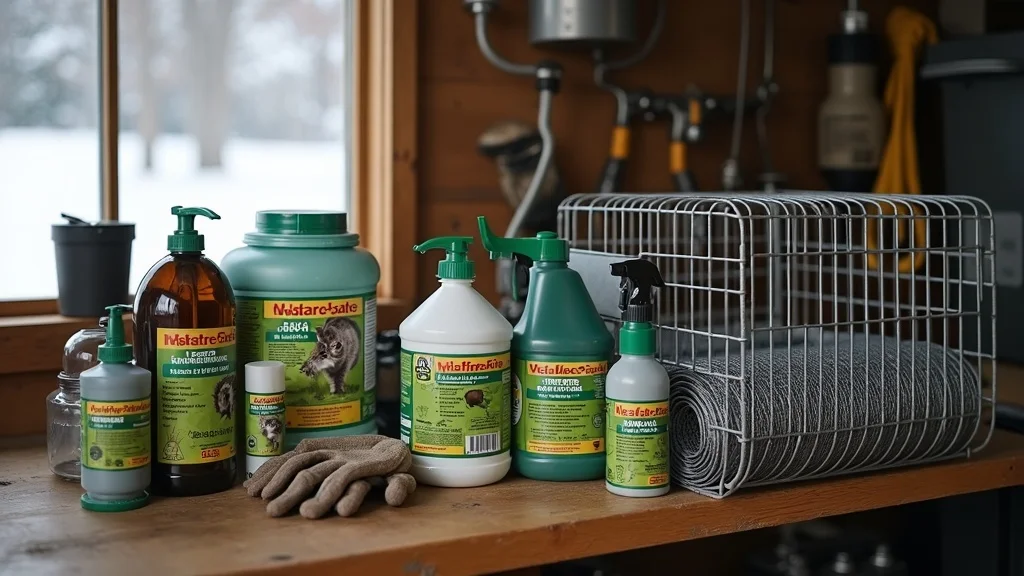
- Nature-safe repellents
- Wire mesh barriers
- Trap-and-release cages (for DIYers)
Combining these tools with regular property checks and sanitation efforts ensures your home remains a challenging—and unappealing—target for wild animals searching for winter shelter. When in doubt, a reputable wildlife control colorado winter service offers the peace of mind that comes from professional-grade prevention and removal solutions.
Investing in wildlife control colorado winter services pays off—quick, professional wildlife removal prevents significant property damage and higher repair costs down the road. While removal costs are often modest compared to structural repairs, the added value of restored peace of mind and home safety makes it an essential winter service for Colorado families.
People Also Ask About wildlife control colorado winter
Can I do critter control myself?
Answer: While some basic prevention is possible, effective wildlife control often requires professional tools and expertise—especially in winter when animals are more persistent.
How to help wildlife during winter?
In all reality, it’s only natural to want to help wildlife when they appear hungry. Yet, it comes with it’s own risks. They will become dependent on the food source and when they become less leary of humans, they can become dangerous. It’s best to not provide food for them, unless they are possibly trapped and you can’t get professional help there quickly enough, as in a severe storm. Please always consult with professionals for your safety and for the animals, as well.
What is unregulated wildlife in Colorado?
Answer: Unregulated wildlife refers to species not strictly governed by Colorado Parks and Wildlife for removal, but professional pest control or critter control should still be consulted for humane solutions.
FAQs on wildlife control colorado winter and Removal Services
- How quickly can wildlife removal service respond during winter?
- What guarantees are offered by wildlife control services?
- Do wildlife control companies offer preventive critter control measures?
- What should I do if I find wild animals in my attic?
Key Takeaways for Effective wildlife control colorado winter
- Winter dramatically increases wildlife intrusions in Colorado homes
- Quick wildlife removal and pest control are critical to minimizing damage
- Professional, humane wildlife control services guarantee safe, lasting solutions
- Prevention is key – regular inspections and sealing up your home pays off
Get Professional wildlife Control Solutions: Book an Inspection
Don’t wait until critters become costly invaders—schedule your expert wildlife inspection and reclaim your home this winter! Click the Link for our Contact Page!