Professional Denver Tree Trimming to Prevent Rodent Infestations
Professional tree trimming in Denver is more than just a matter of curb appeal; it is a fundamental defensive strategy for your home’s structural integrity and your family’s health. In the Mile High City, the proximity of lush, mature canopies to residential rooflines creates a natural bridge for unwanted guests. When branches grow within a few feet of your gutters or siding, they cease to be mere landscape features. Instead, they become elevated expressways that allow rodents to bypass ground-level defenses like foundation seals and bait stations. At Above & Beyond Services, we see the direct correlation between neglected foliage and the need for wildlife control denver. Understanding this connection is the first step in reclaiming your home from the silent scavengers that thrive in our urban environment.
The Hidden Connection Between Your Canopy and Your Attic
Denver is home to a diverse array of wildlife, many of which have adapted perfectly to urban living. Large trees like Cottonwoods, Silver Maples, and Honey Locusts provide the ideal habitat, offering both food and safety from ground-based predators. However, when these trees are not properly maintained, their utility for wildlife extends directly into your living space. Rodents are opportunistic by nature. A branch that touches a roof or hangs over a chimney is a clear invitation. These animals do not need a wide path; a twig no thicker than a pencil can support the weight of a mouse, while a branch the size of a human thumb is a stable walkway for a heavy squirrel or rat. Once a rodent reaches your roof, it begins searching for vulnerabilities. This might include loose shingles, gaps in the soffit, or unshielded vent pipes. The tree provides the access, and the architectural gaps provide the entry. Without the access provided by unmanaged trees, many of these pests would never reach the heights necessary to find these entry points.
Denver’s Most Wanted: Identifying the Rodents Using Your Trees
To effectively combat infestations, homeowners must understand which species are most likely to utilize their trees as transit routes. In the Denver metro area, the primary culprits are the Fox Squirrel, the Norway Rat, and occasionally the Roof Rat, which has been making more frequent appearances in urban corridors. Fox Squirrels are perhaps the most visible offenders. While they may seem harmless or even charming in the park, they are destructive when they enter an attic. They use branches to leap onto roofs, where they chew through wood and lead flashing to create nesting sites. Their powerful incisors can make short work of fascia boards. Norway Rats, while typically known as ground-dwellers, are surprisingly agile climbers. In densely populated areas like Capitol Hill or the Highlands, these rodents will climb ivy-covered walls or low-hanging branches to escape the dangers of the street level. Once they find a way into a crawlspace or attic, they establish colonies that are difficult to eradicate without professional rodent infestation removal.
The Anatomy of a Tree Highway: How Pests Navigate Branches
Rodents possess remarkable physiological adaptations that allow them to navigate the vertical world of a tree canopy. Their paws are equipped with sharp claws that can grip textured bark with ease, while their long tails act as counterweights to maintain balance on thin, swaying limbs. Interestingly, rodents also use trees as a sensory map. They leave behind pheromone trails—invisible chemical markers—that tell other members of their colony that a specific branch leads to a warm, safe attic. This is why even after a single rodent is removed, others often follow the same path until the physical access point is eliminated through tree trimming denver. Beyond balance, trees provide cover from predators like hawks and owls. A rodent moving through a thick, unpruned canopy is virtually invisible to the raptors that might otherwise keep their population in check. By thinning out the canopy, you remove the sense of security that encourages pests to linger near your home.
Structural Vulnerabilities: Where Branches Meet Your Roofline
When we evaluate a property for pest risk, we look specifically at the contact points between vegetation and the structure. The most common vulnerability is the “bridge” effect. If a branch is within three to four feet of the house, a rodent can easily leap the gap. If the branch is touching the house, it provides a silent, vibration-free path. Gutters are another major concern. Leaves and debris from overhanging trees can clog gutters, creating a damp environment that attracts moisture-loving insects and the rodents that feed on them. Furthermore, thick branches can actually damage the gutter system, creating small gaps in the roofline that pests can exploit. Chimneys and vent stacks are also high-risk areas. Squirrels are notorious for climbing down chimneys that lack proper caps. If a tree branch overhangs the chimney, it provides a direct drop-off point for a squirrel to enter the flue. Once inside, they may become trapped or build nests that create significant fire hazards and carbon monoxide risks.
The Biology of Rodent Ingress: Why Your Attic is Their Goal
Why are rodents so determined to get inside? The answer lies in the harsh Colorado climate. Denver’s winters are characterized by dramatic temperature swings and heavy snowfall. For a rodent, an insulated attic is the ultimate survival shelter. It offers a consistent temperature and protection from the elements. Attics also provide an abundance of nesting materials. Fiberglass insulation, cardboard boxes, and stored clothing are perfect for building dens. Once a female rodent establishes a nest in your attic, she can produce several litters a year. What started as a single squirrel crossing a branch can quickly become a full-scale infestation. Furthermore, the scent of a human home is often associated with food. Garbage bins kept near the base of a tree, or bird feeders hanging from branches, act as lures. The rodent feeds at ground level and then retreats to the safety of the attic via the “tree highway” to digest and sleep.

The Dangers of Delayed Tree Maintenance
Neglecting your trees doesn’t just invite rodents; it creates a compounding series of risks for your property. Overgrown branches that are heavy with snow can snap and fall onto your roof, causing immediate structural damage. This damage often creates the very holes that rodents use to enter the home. In addition to physical damage, rodents carry a variety of pathogens. According to the Centers for Disease Control and Prevention (CDC), rodents are known to spread over 35 diseases worldwide. These can be spread to humans directly through handling of rodents, through contact with rodent feces, urine, or saliva, or through rodent bites. Delayed maintenance also leads to “tree stress.” When a tree is not pruned, it may become overgrown and unable to support its own weight or effectively distribute nutrients. Weakened trees are more susceptible to diseases and wood-boring insects, which can further attract woodpeckers and other wildlife that may eventually target your home’s siding.
Implementing the 10-Foot Rule: A Technical Standard
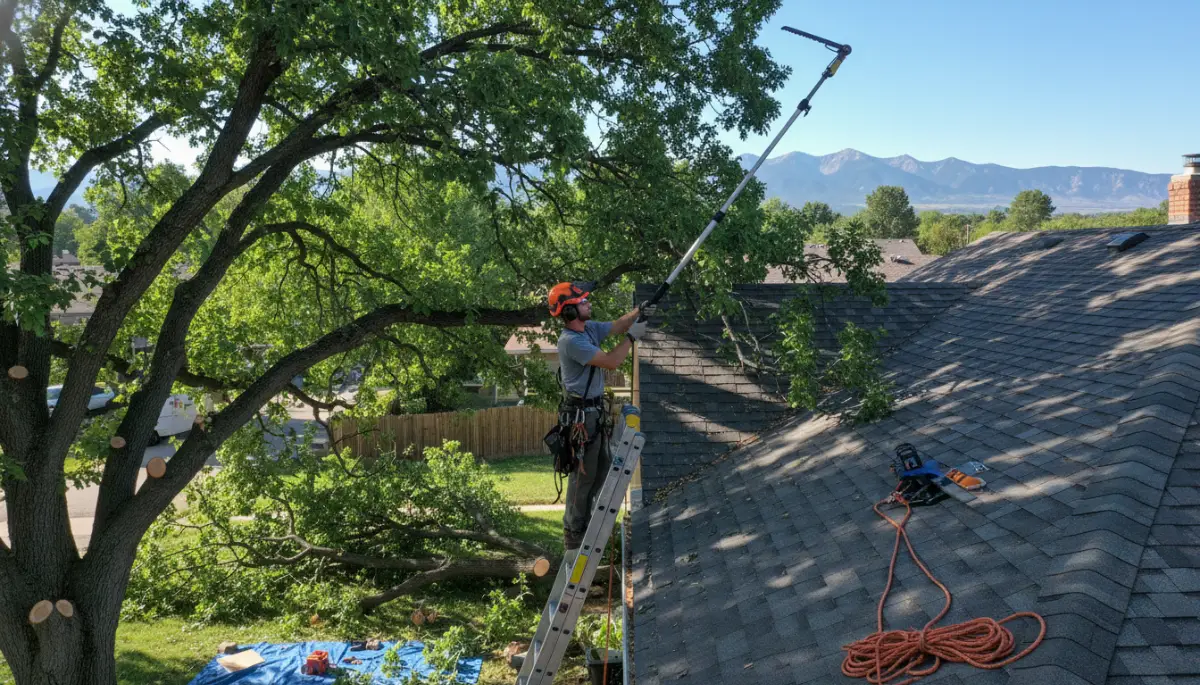
In the world of professional arboriculture and wildlife exclusion, the “10-Foot Rule” is a gold standard. The goal of tree trimming denver in a pest-prevention context is to maintain a minimum of 10 feet of clearance between any tree limb and the structure of the house. While some rodents can leap significant distances, a 10-foot gap is generally sufficient to deter most squirrels and rats from attempting the jump. This distance also prevents branches from whipping against the house during high winds, which can strip paint, damage shingles, and create noise that masks the sound of pests scratching at your walls. Maintaining this clearance requires precision. It is not enough to simply “lop off” the ends of branches. Proper pruning involves making clean cuts at the branch collar to ensure the tree heals correctly. Improper cuts can lead to rot and the growth of “water sprouts”—thin, vertical shoots that grow rapidly and can quickly close the 10-foot gap you worked so hard to create.
Integrated Pest Management (IPM) in the Mile High City
At Above & Beyond Services, we utilize a philosophy known as Integrated Pest Management (IPM). This approach focuses on long-term prevention and emphasizes the manipulation of the environment to make it less hospitable to pests. Tree trimming is a cornerstone of this strategy. Instead of relying solely on chemical treatments or traps, IPM looks at the root cause of the infestation. If a homeowner has a recurring rat problem, we don’t just set traps; we look up. We identify the overhanging limbs, the clogged gutters, and the gaps in the soffit. By removing the access points, we make the home significantly harder to invade. This holistic approach is especially important in Denver’s sensitive ecosystem. By using mechanical barriers like trimmed trees and sealed entry points, we reduce the need for rodenticides, which can have secondary poisoning effects on local owls, hawks, and even neighborhood pets.
Beyond Trimming: Comprehensive Rodent Infestation Removal
While tree trimming is an excellent preventative measure, it is sometimes too late to stop an existing problem. If rodents have already established themselves in your home, a multi-phase approach is required. This begins with a thorough inspection to identify all active entry points and nesting sites. Once the rodents are inside, they must be humanely and effectively removed. This is where wildlife control denver experts come in. We use specialized trapping techniques tailored to the specific species involved. Removing the animals is only half the battle; the pheromones they leave behind must also be addressed. Sanitization is a critical, yet often overlooked, part of the process. Rodent droppings and urine can contain hantavirus and other dangerous pathogens. Professional removal services include the cleaning and decontamination of the affected areas, often involving the replacement of soiled insulation to ensure your home’s air quality is restored.
Seasonal Considerations for Denver Homeowners
Timing is everything when it comes to tree maintenance in Colorado. The best time for major tree trimming denver is typically during the dormant season—late fall through early spring. During this time, the tree’s energy is stored in the roots, and the lack of leaves allows arborists to clearly see the structure of the canopy. However, for pest prevention, late summer and early fall are also critical times for an inspection. As the temperatures begin to drop, rodents start scouting for their winter quarters. Ensuring your 10-foot clearance is established before the first frost can prevent a winter-long headache. Furthermore, Denver’s spring storms often bring heavy, wet snow that can cause branches to sag. A branch that sits six feet above your roof in the summer might be touching the shingles under the weight of an April snowstorm. Regular monitoring and proactive pruning ensure that seasonal changes don’t create temporary highways for pests.
The Financial Angle: Cost of Trimming vs. Cost of Repair
Many homeowners hesitate to invest in professional tree services, viewing it as a luxury. However, when compared to the costs associated with a rodent infestation, tree trimming is a bargain. A single colony of squirrels can cause thousands of dollars in damage to electrical wiring, HVAC ducts, and structural timber. Rodents have a biological need to gnaw. Their teeth grow continuously, and they must chew on hard surfaces to keep them at a manageable length. They often target the plastic coating on electrical wires, which is a leading cause of house fires in the United States. The cost of an electrician and a fire restoration crew far exceeds the cost of a routine pruning visit. Additionally, the loss of attic insulation efficiency due to rodent compaction and soiling can lead to significantly higher energy bills. By investing in preventative tree care, you are protecting one of your most valuable financial assets—your home.
Why Professional Arborists and Wildlife Experts are Necessary
It can be tempting to grab a ladder and a hand saw to trim back a few branches yourself. However, working at heights near a roofline is inherently dangerous. Professional teams have the safety equipment, insurance, and technical knowledge to perform the job without risking injury or property damage. Moreover, there is a science to tree pruning denver. Cutting the wrong branch can off-balance a tree or leave it vulnerable to pests like the Emerald Ash Borer. A professional arborist understands how to maintain the health of the tree while achieving the necessary clearance for pest control. At Above & Beyond Services, we bridge the gap between landscape maintenance and pest management. Our team doesn’t just see a tree; we see a biological system that interacts with your home. We provide customized solutions that keep your landscape thriving while ensuring your interior remains a sanctuary. In conclusion, the relationship between your landscape and your home’s vulnerability to pests is undeniable. By treating your trees as potential access points and maintaining them with the same rigor as your roof or foundation, you create a formidable barrier against the local rodent population. Professional tree trimming denver serves as your first line of defense, disrupting the “highways” that squirrels and rats rely on to infiltrate human spaces. Whether you are looking to prevent a future problem or need to resolve an ongoing struggle with wildlife, a proactive approach to tree care is essential. By implementing the 10-foot rule, understanding the biology of local pests, and relying on integrated pest management strategies, you can enjoy the beauty of Denver’s urban canopy without inviting its inhabitants into your attic. Protect your property, your health, and your peace of mind by ensuring your trees are managed by experts who understand the delicate balance between nature and the built environment. For comprehensive care that goes above and beyond, consider how a simple trim today can prevent a massive infestation tomorrow. Visit Above & Beyond Services to learn more about our integrated approach to home safety.