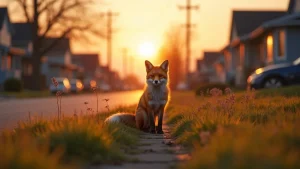
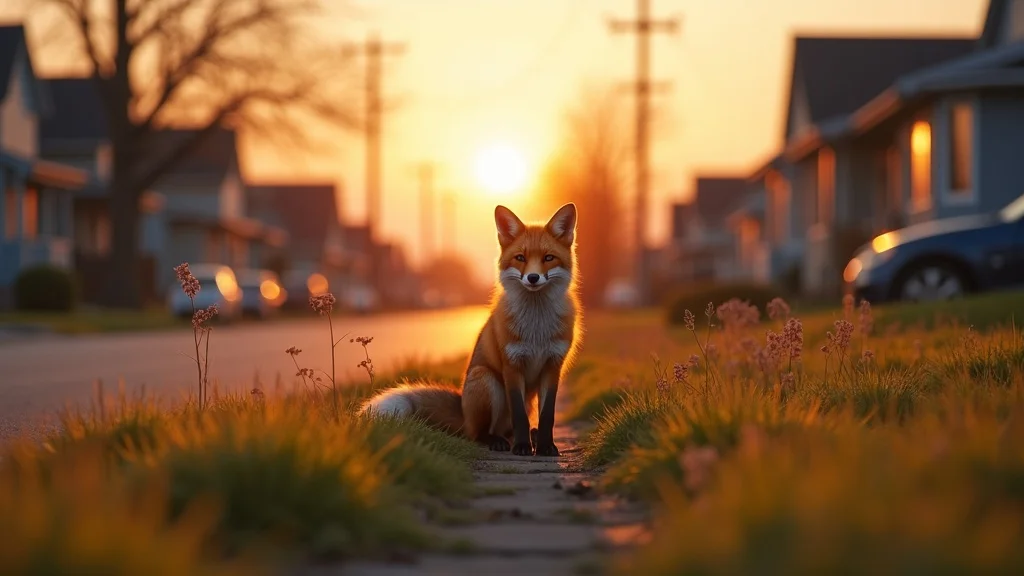
Did you know that Denver ranks among the top U.S. cities for unexpected encounters with urban wildlife—often in the very heart of its neighborhoods? The Mile High City isn’t just defined by its soaring skyline and mountain views; it’s a living ecosystem where people cross paths with foxes on sidewalks, bald eagles overhead, and prairie dogs tunneling just beyond manicured lawns. In this article, we dive deep into the astonishing truth of urban wildlife in Denver: what’s normal, what’s not, and what every citizen should know to stay safe and coexist responsibly. Whether you’re a longtime local or new to the Denver metro area, understanding this dynamic relationship matters more than ever.
Unveiling the Unseen: The Astonishing Truth About Urban Wildlife in Denver
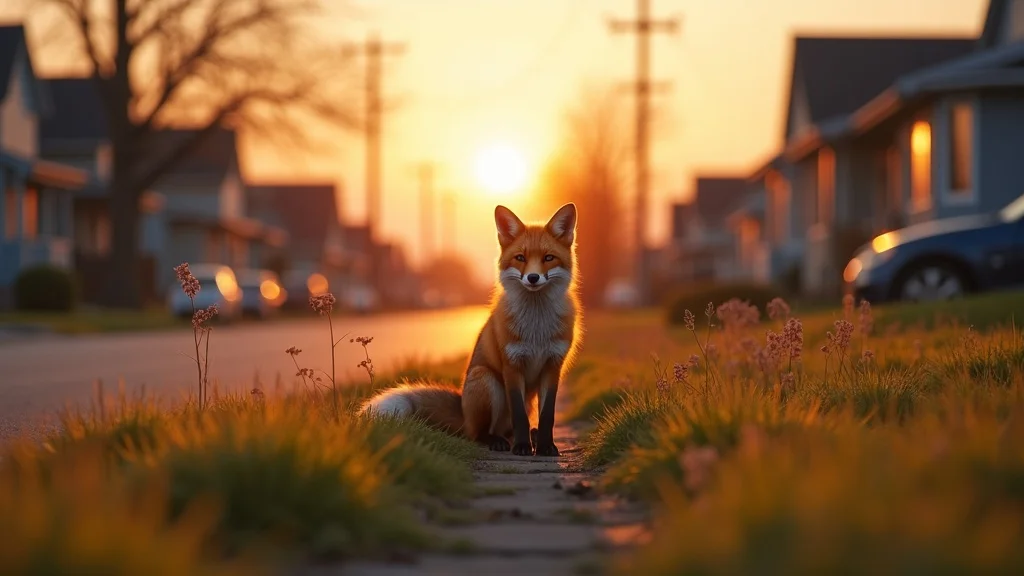
Urban wildlife in Denver isn’t just a fleeting curiosity; it’s a profound aspect of daily city life. Denver consistently ranks in the top tier of American cities when it comes to frequent human-wildlife encounters—and these interactions occur just steps from local homes, schools, and offices. The proximity of the Rocky Mountain Arsenal National Wildlife Refuge, plus Denver’s abundant parks and green corridors, creates a unique blend where the city’s pulse beats alongside that of wild animals. Residents of Denver’s metro area are likely to spot a red fox dashing across a street in Capitol Hill, watch a bald eagle circle above City Park, or hear prairie dogs chirping in Stapleton’s open spaces.
“Denver ranks among the top U.S. cities for human-wildlife encounters—often in places you least expect.”
What makes Denver’s urban wildlife scene so extraordinary is not just its visibility, but the diversity of species thriving here. While habitat loss and urban sprawl often limit animal populations elsewhere, Denver’s intentional mix of refuge lands, greenbelts, and natural water sources attract a wide variety of wildlife. From the stealthy mountain lion to industrious prairie dogs and majestic bald eagles, urban areas in the Denver metro region support a coexistence teeming with both risks and rewards. For city dwellers, knowing which encounters are normal—and which are cause for caution—can mean the difference between awe and accident.
What You’ll Learn About Urban Wildlife in Denver
- The scope and diversity of urban wildlife in Denver
- Which species are benign and which pose risks
- Insights from experts and personal perspectives
- How to stay safe while coexisting with Denver’s wildlife
A Snapshot of Urban Wildlife in Denver: From the Rocky Mountain Arsenal to Downtown
When we think of the Denver metro area, it’s easy to picture bustling city streets, but less obvious is the thriving population of urban wildlife that shares these spaces with us. The Rocky Mountain Arsenal National Wildlife Refuge, nestled just northeast of downtown, serves as a vital green oasis stretching more than 15,000 acres. This former weapons manufacturing site now offers sanctuary for scores of wild species—right at the city’s doorstep. Wildlife corridors extend into neighborhoods, allowing for remarkable animal sightings in unlikely places, from open space parks in Aurora and Commerce City to residential backyards and even the edges of the urban core.
Thanks to Denver’s unique geography and commitment to preserving open spaces, residents regularly cross paths with animals more typically associated with remote wilderness. It’s not uncommon to wake up to a deer on your front lawn or to witness a group of prairie dogs popping up from burrows in a city park. Even powerful predators—including the elusive mountain lion—occasionally range near populated areas, reflecting both the resilience and adaptability of wildlife in the face of rapid urban growth.
As urban wildlife becomes more visible in neighborhoods, understanding how to respond to unexpected animal intrusions is essential for safety and peace of mind. For practical tips on preventing and managing wildlife encounters in nearby communities, explore these expert prevention strategies for wildlife intrusions in Centennial and Parker: best practices for keeping your home and property secure.
The Role of the Rocky Mountain Arsenal and National Wildlife Refuges
The Rocky Mountain Arsenal National Wildlife Refuge stands as a beacon for wildlife conservation, offering a rare example of environmental recovery within a major metropolitan landscape. This refuge system forms a critical buffer for wildlife, ranging from prairie dogs and bison to rare sightings of bald eagles. Wildlife adapted to open prairie and wetland habitats flourish here, with carefully maintained grasslands, lakes, and woodlands connecting directly to Denver’s urban fabric. The open space preserved at the refuge not only minimizes habitat loss but also serves as a living classroom, where urban residents can observe natural behaviors and learn about coexistence.
“The Rocky Mountain Arsenal National Wildlife Refuge is a rare oasis for urban wildlife—right at Denver’s doorstep.”
Beyond the Arsenal, Denver’s network of green belts and smaller reserves—including the South Platte Park and Bluff Lake Nature Center—ensure that wild animals have space to roam, breed, and thrive. These areas support a variety of wildlife visible year-round, making Denver a leader in urban conservation. The challenge now is to manage the delicate balance between growing neighborhoods and the unique wild presence that helps define Denver’s identity.
Common Sightings: Which Animals Roam the City?
Denver’s urban landscape is home to a surprising array of species. While some, like brown squirrels and pigeons, are nearly invisible for how commonplace they are, others spark excitement—or alarm—when they’re spotted in an urban environment. The most common urban wildlife seen in Denver’s neighborhoods and parks include:
- Prairie dogs
- Bald eagles
- Deer
- Foxes
- Raccoons
Of particular note are prairie dogs, whose extensive burrow systems can be found in many city parks and open spaces. Bald eagles have become a more frequent sight near waterways and in treetops, especially during nesting seasons. Deer regularly graze in suburban green spaces, foxes slip through alleys in search of food, and raccoons are notorious for nighttime activity near trash bins. For Denver residents, distinguishing between typical and unusual animal behavior is an important step toward appreciating—and protecting—both themselves and urban wildlife.
Understanding Urban Wildlife in Denver: What’s Normal?
Urban wildlife in Denver is not only prolific, but often predictable in its habits. Most animals have adapted to coexist alongside humans, capitalizing on the city’s patchwork of backyards, parks, and wildlife refuge areas. Understanding what constitutes normal behavior versus cause for concern is the foundation for safe interactions and effective stewardship. In this section, we explore the roles of small mammals and birds, as well as the polarizing presence of prairie dogs in the city.
Animals like squirrels, birds, foxes, and prairie dogs populate nearly every corner of the metro area, relying on green space corridors for movement and foraging. Healthy urban ecosystems are marked by these routine sightings, signaling a balance between wildlife needs and city life. However, when animals venture into busy streets in daylight, act overly bold near humans, or exhibit erratic behaviors, it may signal stress, disease, or loss of traditional habitat—issues that require professional attention or policy response.
Small Mammals and Birds: A Closer Look
Small mammals like squirrels and rabbits, as well as native birds—from robins to raptors—flourish across Denver’s open spaces, boulevards, and riverways. These species are essential parts of Denver’s urban environment, helping manage pests, fertilizing gardens, and offering countless moments of wild beauty. It’s perfectly normal to see such animals darting through neighborhood yards, perching on fences, or building nests in the eaves of houses. For example, the robin’s springtime return is a key marker of seasonal change, while excitement runs high when a bald eagle is sighted circling over a city park.
Occasionally, small mammals may appear in unusual places—rabbits in city parking lots or songbirds weaving through traffic—but in most cases, these are simply adaptive behaviors. However, sick or aggressive behavior, large daytime gatherings, or birds attacking windows repeatedly can indicate underlying challenges in the urban habitat. Awareness of these patterns helps city residents distinguish between signs of urban adaptation and warning flags for more serious issues, like disease outbreaks or environmental distress.
Prairie Dogs: Urban Builders or Urban Pests?
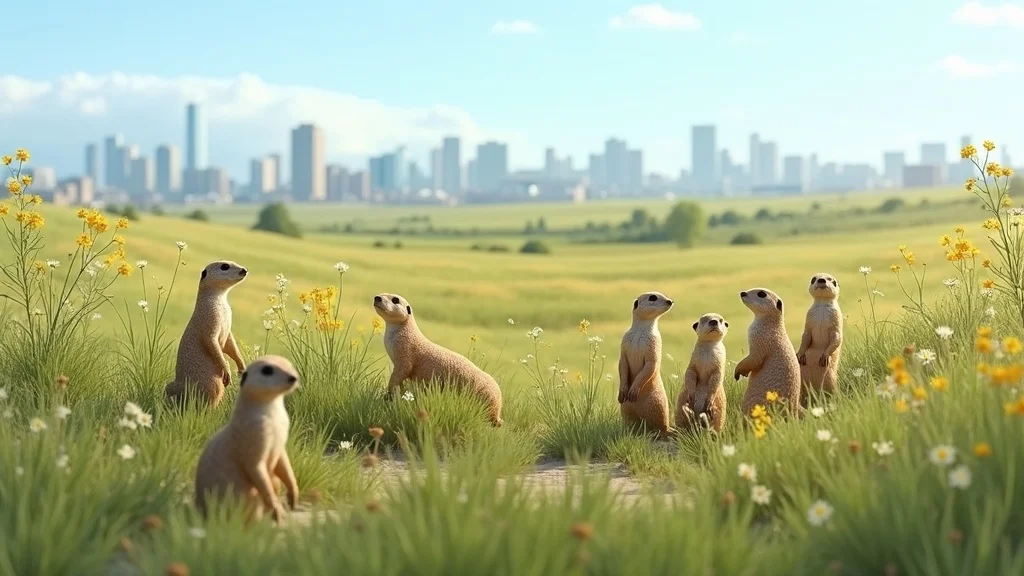
Prairie dogs are perhaps the most contentious and visible representatives of Denver’s urban wildlife. Their burrows lace much of the city’s open land, from school fields to business parks. To some, prairie dogs are clever ecosystem engineers, improving soil health and feeding predators such as raptors and foxes. For others, they’re destructive pests, causing damage to landscaping and presenting safety hazards in recreational areas.
The reality falls somewhere in between. Prairie dogs are a crucial food source for the Mile High city’s wild predators, and their presence signals a robust, interconnected web of life. Normal prairie dog behavior includes creating visible earth mounds, chirping in warning to their colony, and remaining wary of human approach. Behavior that goes beyond the norm—such as aggressive swarming toward people, or approaching residential foundations—should be reported to city wildlife authorities. Understanding these distinctions helps shape public policy and personal responses to these iconic, sometimes polarizing, urban residents.
| Species | Normal Behaviors | Unusual Behaviors |
|---|---|---|
| Prairie Dogs | Burrow near parks | Aggressive swarming |
| Bald Eagles | Nest in tall trees | Approach humans |
Dangerous Urban Wildlife in Denver: What Should We Fear?
While the majority of Denver’s urban wildlife pose minimal risks when treated with respect, certain species demand a higher degree of caution. As urban sprawl presses against traditional wild corridors, rare but real dangers arise—especially from large predators and venomous animals adapting to city life. Understanding how to identify and respond to these threats is key to personal and community safety as well as the continued viability of Denver’s wildlife populations.
In particular, the increase in reported encounters with mountain lions, and the infrequent presence of rattlesnakes or large invasive species, remind city dwellers that even the Mile High City’s highly developed areas remain part of a much broader, wilder ecosystem. Developing awareness and following best practices can minimize risks while preserving the delicate balance between humans and wildlife.
Mountain Lions and Other Large Predators
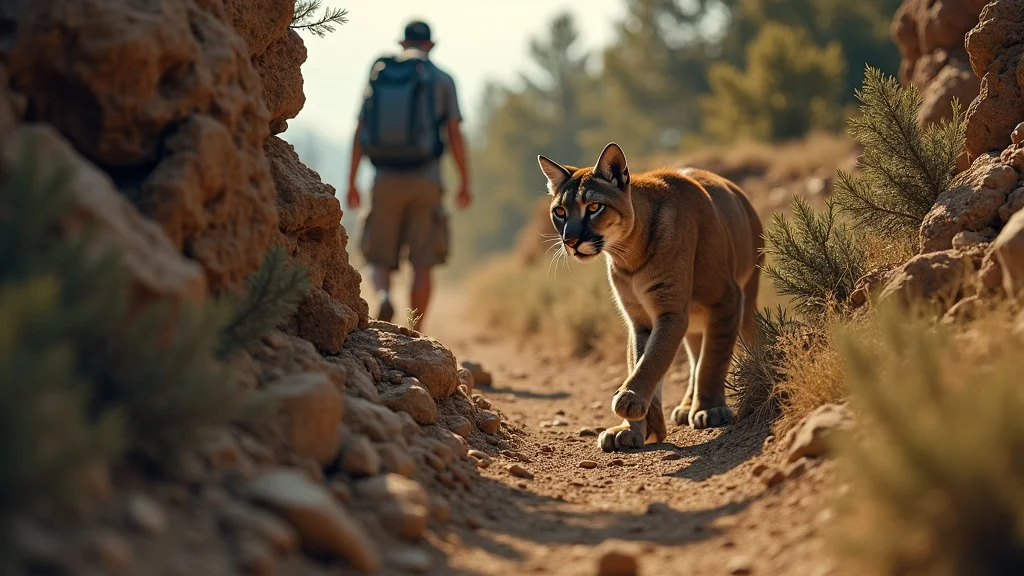
The appearance of mountain lions (also known as cougars or pumas) anywhere in the Denver area is cause for attention, if not immediate alarm. While attacks on humans are extremely rare, these predators occasionally venture into foothill suburbs and even parklands within city limits, especially in search of deer or other prey. Their presence signals a robust but pressured wild ecosystem along the Front Range, and it’s a reminder that humans are never truly alone in Denver’s shared environment.
Typical mountain lion behavior involves avoiding humans and remaining out of sight; daytime exposure or boldness near neighborhoods often signals disrupted food sources or loss of wild habitat. The refuge system, including the Rocky Mountain Arsenal National Wildlife Refuge, acts as a buffer, but as urban development intensifies, such encounters may become more frequent. City officials urge residents to stay alert in greenbelts and report sightings to help track these elusive animals and ensure safety for all.
Venomous and Invasive Species in Urban Environments
Though less visible than large mammals, certain venomous or invasive species represent a significant—if largely manageable—risk in Denver’s urban environment. Rattlesnakes, for example, occasionally appear along the periphery of the city’s parks and wildlife refuge borders, especially in warm months. These snakes are not aggressive by nature, but can deliver dangerous bites when startled or provoked. Similarly, invasive species—such as certain beetles or introduced plants—can disrupt native food chains and create additional hazards for both wildlife and people.
“With urban sprawl comes increased clashes with dangerous species like mountain lions and rattlesnakes.”
Awareness and education are the best lines of defense. Denver’s metro area offers ample resources for learning about identification and first-aid response for bites or invasive plant exposures—empowering residents to enjoy the city’s wilder side responsibly. Key to reducing dangerous encounters is keeping to marked trails, leashing pets, and reporting unusual animal behavior promptly to the proper authorities. Remember: both the privilege and responsibility of living near wild spaces means being proactive, not reactive, in safeguarding city and citizen alike.
The Human Impact: How Our Choices Shape Urban Wildlife in Denver
Every decision made in the city reverberates through its wild corridors. From zoning laws to everyday habits like securing trash bins, human choices profoundly impact the presence, health, and safety of urban wildlife in Denver. As the mile high city expands, the boundary between human and wild becomes increasingly blurred, demanding collaboration and foresight to avoid unintended consequences—from overpopulation of certain species to habitat loss and heightened risk of encounters with dangerous animals.
The importance of urban planning that considers both people and wildlife cannot be overstated. Open space preservation, wildlife corridors, and responsible development near key reserves—such as the Mountain Arsenal National Wildlife Refuge—shape the kinds of species city residents encounter, and how often. Thoughtful engagement, backed by science and community involvement, supports a safer, more vibrant urban ecosystem for all.
Development Near the Mountain Arsenal National Wildlife Refuge
Major development projects near the Mountain Arsenal National Wildlife Refuge have come under scrutiny for their impact on the delicate balance of Denver’s urban ecosystem. Proximity to thriving wildlife habitats can increase animal sightings in residential areas, creating unique opportunities but also pressing challenges. Bald eagles, for example, depend on large old trees which may be threatened as new neighborhoods climb closer to the refuge.
This dynamic underscores the need for robust consultations between developers, wildlife biologists, and local communities. Integrating wildlife-friendly designs—like green corridors, safe crossings, and protected buffer zones—can mitigate the negative effects of habitat loss while fostering a culture of coexistence. The goal should not be to isolate wildlife, but to promote safe, shared use of Denver’s cherished open spaces and natural refuges.
Balancing Urban Growth and Wildlife Safety
Denver’s continued growth brings new vitality but also questions about how to maintain the character and safety of its wild edge. Solutions to the challenges of increasing urban-wildlife overlap lie in cooperation—combining city policy with individual responsibility. Residents can help by following best practices, supporting pro-wildlife policies, and educating neighbors about proper behavior around wild animals.
From simple steps like securing pet food and never feeding wildlife, to participating in citizen science and supporting refuge system funding, every action contributes to a healthier, safer, more sustainable urban environment. Ultimately, the future of Denver’s urban wildlife depends on an ongoing dialogue—between city planners, scientists, and communities all invested in maintaining the unique blend of nature and urban life that defines the Denver metro area.
People Also Ask About Urban Wildlife in Denver
What wild animals are in Denver?
“You can encounter coyotes, foxes, raccoons, prairie dogs, and even deer right in urban Denver.”
Denver’s urban mosaic is home to a variety of wildlife, including coyotes prowling through parks, foxes using alleys as nightly highways, raccoons searching for easy meals, thriving prairie dog populations, and deer comfortably grazing in open green spaces. Occasionally, even larger mammals such as mountain lions or black bears appear on the fringes, particularly where city parks blend into the foothills or protected wildlife areas. While most of these animals are nonthreatening when left alone, each contributes to the vibrant ecological tapestry of the city—and underscores the importance of awareness and mutual respect between people and wildlife.
What animals live in the urban environment?
“Denver’s urban ecosystem supports surprising wildlife—from birds of prey to burrowing mammals.”
The urban environment of Denver supports both common and extraordinary animal species. Apart from squirrels, doves, and rabbits, residents often see birds of prey (including hawks and bald eagles), foxes, and various small mammals. Burrowing animals—most notably prairie dogs and foxes—are particularly adapted to both natural and modified landscapes. These animals thrive thanks to Denver’s many parks, greenways, and watercourses, highlighting the city’s successful integration of developed spaces with wild corridors. Urban areas close to the Rocky Mountain Arsenal National Wildlife Refuge or the South Platte River serve as important lifelines, enabling a diversity of urban wildlife to flourish.
What animals are burrowing in Denver?
“Prairie dogs and foxes are the most common burrowing animals found in the city.”
Prairie dogs remain the most visible and well-established burrowing mammals in Denver, their colonies shaping both urban and semi-natural landscapes. Foxes also make use of quiet, overgrown spaces for dens—often under sheds or in park embankments. Less frequently, skunks and raccoons may burrow or exploit existing tunnels for shelter. These animals help keep insect and rodent populations in check, though their proximity to homes sometimes leads to clashes over property or perceived threats to pets. Vigilance and humane deterrence strategies are recommended for anyone dealing with persistent burrowing activity near residences.
What is the most common wild animal in Colorado?
“Among mammals, mule deer top the list, but in Denver, it’s the prairie dog that steals the show.”
Statewide, the mule deer is considered Colorado’s most common large mammal, often seen grazing in foothills or open forest. In urban Denver, however, the prairie dog is arguably the city’s signature wild resident, with colonies found in parks, on school grounds, and throughout vacant lots across the metro area. Their social structure and visible presence make them both an urban icon and a focus of ongoing conservation—and sometimes controversy—within the city. Their abundance and adaptability highlight the intricate and sometimes surprising ways wildlife merges with everyday urban life in the Mile High City.
Best Practices: Safety and Coexistence With Urban Wildlife in Denver
- Keep a safe distance from all wild animals
- Never feed urban wildlife
- Secure trash and pet food
- Report unusual animal behavior to authorities
Staying safe while enjoying Denver’s urban wildlife requires vigilance and common sense. Keep pets leashed, stick to designated trails, and educate children about the joys and hazards of local wild species. Participate in community workshops or refuge system tours to expand knowledge—and foster a spirit of responsible coexistence in your neighborhood.
Frequently Asked Questions About Urban Wildlife in Denver
- Is it safe to hike near the Rocky Mountain Arsenal National Wildlife Refuge?
Yes, hiking near the Rocky Mountain Arsenal National Wildlife Refuge is generally safe. Stay on marked trails, stay alert for posted wildlife advisories, and keep a respectful distance from all animals. If you encounter large mammals or notice unusual animal behavior, calmly back away and notify refuge staff promptly. - How can I protect pets from urban wildlife?
To keep pets safe, always supervise them outdoors, especially during dawn and dusk when both predators and scavengers are most active. Use secure fencing, keep pet food indoors, and avoid walking pets near known wildlife corridors at night. If you live near open space or the refuge, consider keeping cats indoors and leashing dogs at all times in public areas. - What should I do if I encounter a mountain lion?
If you see a mountain lion, remain calm, do not run, and try to appear large by raising your arms or opening a jacket. Back away slowly, maintaining eye contact. Pick up small children and pets, and speak firmly. Report any sighting to local wildlife authorities to help them monitor animal movement and ensure safety for all.
Key Takeaways: What Everyone Should Know About Urban Wildlife in Denver
- Most urban wildlife in Denver is harmless if respected
- Rare but real threats exist, especially from predators
- Understanding behavior is key to safety
- Public policy shapes the wild entities we see—and how we interact with them
Moving Forward: Share Your Urban Wildlife Sightings and Stay Informed
Denver’s wild story is still being written—by you. Report your wildlife sightings, support local refuge initiatives, and always stay curious about the city’s untamed neighbors. Responsible coexistence ensures both safety and awe in the heart of the urban frontier.
If you’re inspired to take your understanding of urban wildlife to the next level, consider exploring the broader landscape of humane wildlife control and removal services available in Denver. Discover how professional solutions can help maintain the delicate balance between city life and the wild, ensuring both safety and compassion for all creatures. For a deeper dive into advanced strategies and the latest in ethical wildlife management, visit this comprehensive guide to Denver’s best wildlife control and humane removal services—and empower yourself to make a positive impact in your community.