

It’s unsettling to discover signs of a mouse infestation in your home overnight—especially when you realize that, if left unchecked, a single pair of rats and mice can give rise to as many as 2,000 offspring within just one year. That’s why your rapid rodent infestation response is not just a matter of comfort—it’s crucial to prevent an explosive and costly escalation in your home or business.
“Did you know a single pair of rats and mice can produce up to 2,000 offspring in one year? Early rodent infestation response is crucial to avoid rapid escalation.”
A Startling Reality: Why Rodent Infestation Response Matters Immediately
The discovery of a rodent infestation is more than an inconvenience—it is a potential threat to your health, property, and peace of mind. A swift rodent infestation response is critical because rats and mice do not just multiply rapidly; they also spread diseases, contaminate food, and cause costly structural damage by chewing through wires, insulation, and wood. The public health risks escalate with every passing hour: rodent droppings, urine, and saliva can contaminate your environment, leading to allergies and disease transmission through direct contact or contaminated material. If you suspect rodent presence, acting fast means curbing the spread before a minor issue spirals into a full-blown mouse infestation.
Immediate response is also practical. Rodent control becomes much more challenging as infestations grow. Early action—like sealing entry points and removing food sources—makes the environment inhospitable for rats and mice. Ignoring the problem will not only damage your home or business but can also jeopardize your family’s safety. Taking decisive steps today sets the foundation for long-term rodent control and a healthier, safer living space.
What You’ll Learn About Rodent Infestation Response
- How to identify early signs of rodent infestations
- Steps for immediate rodent infestation response
- Prevention techniques for rats and mice
- When to call a local pest control service
Understanding Rodent Infestations: Critical First Steps

Recognizing Signs of Rodent Infestation
Spotting the first warning signs of rodent presence is crucial for an early rodent infestation response. Some common indicators include small dark rodent droppings around food storage or hidden areas, fresh gnaw marks on baseboards, and the sound of scampering feet or chewing at night. You might also notice a persistent musky smell or discover nesting materials such as shredded paper or fabric, often tucked behind appliances or in seldom-used drawers.
- Gnaw marks and rodent droppings
- Noises and unusual smells
- Visible entry points and nesting materials
These signs are often subtle—rodents are nocturnal and good at avoiding direct contact. Look closely for small holes or cracks, especially where walls meet floors, and check for greasy smudges along commonly used rodent routes. Early detection is key: By recognizing these warning signals early and knowing the signs of rodent infestations, you help limit the population growth and reduce potential health risks associated with a mouse infestation or a larger outbreak of rats and mice.
For a more detailed look at how to address not just rodents but other common household pests, you may find it helpful to review safe pest control solutions for Denver’s top five pests. This resource covers practical steps and safety tips that complement your rodent response strategy.
Health and Safety Risks Linked to Rodent Infestations
Rodent infestations are linked to significant health hazards. Rats and mice are notorious for spreading diseases, such as Hantavirus, Salmonella, and Leptospirosis, either through direct contact with rodent droppings, urine, or by contaminating food sources. Allergens from rodent fur and droppings can trigger asthma and allergies, particularly in children and sensitive individuals. Furthermore, when rodents gnaw on electrical wires, they greatly increase the risk of house fires and costly property damage.
- Diseases spread by rats and mice
- Allergens and property damage
Beyond health risks, the presence of rodents can undermine your sense of security. The longer rodents are allowed to remain in a home or business, the higher the risk that public health and property damage escalate. Immediate action, including sealing access points and deploying traps, protects your family, maintains your home’s value, and upholds community health standards.
Rodent Infestation Response: Immediate Actions to Take
Secure Entry Points and Prevent Mouse Infestation
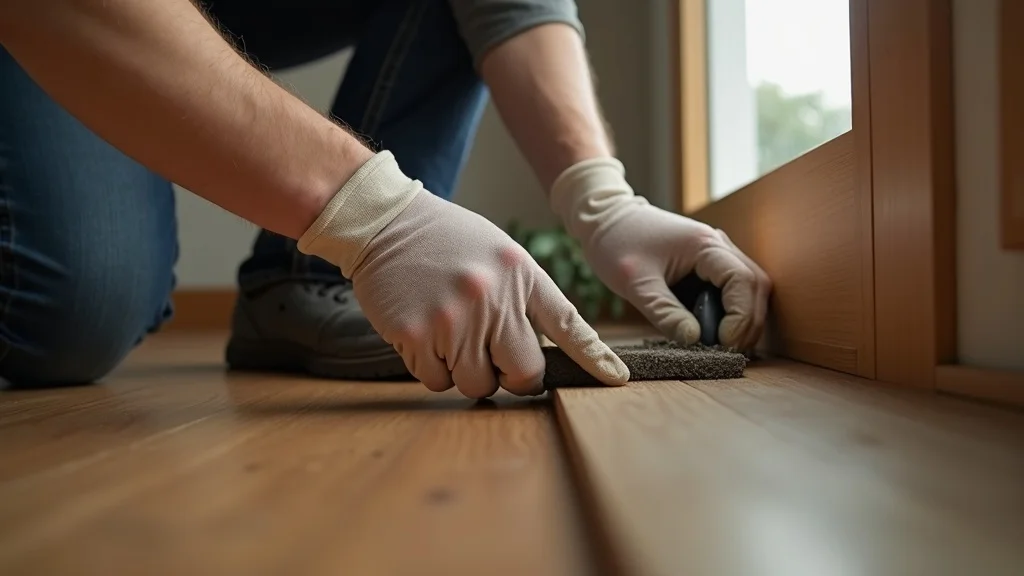
The most effective rodent infestation response starts with eliminating the ways rats and mice enter your property. Begin by inspecting your home’s perimeter, baseboards, and utility entry points for small holes, cracks, or gaps—the preferred entry points for rodents. Pay special attention to spaces around pipes, vents, and under doors. These openings can seem minor but provide easy access for even the smallest mouse.
- Inspect and seal common entry points
- Use of steel wool and caulking
Once you’ve located these entry points, use steel wool and caulking to fill gaps, as rodents find it difficult to gnaw through steel wool. Expanding foam can help seal larger cracks, but always reinforce these with solid materials to prevent rodents from chewing their way back inside. Ensuring all holes larger than a dime (for mice) or a quarter (for rats) are securely sealed creates a powerful barrier and is a key part of any successful rodent control plan.
Removing Food and Water Sources for Effective Rodent Control
Eliminating access to food and water makes your property far less attractive to hungry invaders. Start by storing all food in airtight containers and cleaning up crumbs and spills promptly. Dispose of garbage regularly and use bins with tightly fitting lids. Don’t forget pet food—rats and mice aren’t picky, and uncovered pet food is a prime lure. Equally important is vigilance in kitchens, pantries, and garages where eating food or stashing treats may attract rodents.
- Proper storage and disposal of food
- Eliminating water leaks and standing water
Water is just as crucial for rodent survival. Check for leaks under sinks, around appliances, and in basements. Repair dripping faucets or pipes promptly and remove any standing water you find. Together, sealing entry points and removing food and water sources dramatically increases your success in stopping mouse infestation and preventing a larger rodent problem.
Professional Rodent Control: When to Contact a Local Pest Control Service
Assessing When to Call Experts in Rodent Infestation Response
While DIY efforts can be effective for small, early-stage infestations, sometimes the scale or persistence of a rodent problem means it’s time to call a local pest control service. Consider bringing in professionals if you spot multiple nests, large quantities of rodent droppings, or ongoing evidence of gnaw marks despite your efforts. If rodents have damaged electrical wiring, insulation, or HVAC systems, a control service has the knowledge and equipment to address the problem safely and thoroughly.
- Criteria for hiring a pest control service
- Questions to ask your local pest control provider
When choosing a pest control provider, ask about their experience with rodents, the safety of their products, guarantee terms, and their approach to follow-up. Reputable services will conduct a thorough inspection and explain both prevention and remediation steps. Their expertise ensures long-term rodent control and helps you avoid recurring infestations, protecting your home or business against future health risks and property damage.
What to Expect from a Pest Control Visit
- Inspection process for rats and mice
- Treatment options and follow-up
On your first visit, the pest control service will carefully inspect your property for evidence of rats and mice, identifying entry points, nests, rodent droppings, and food sources. After assessment, they will lay out tailored treatment options, which may involve traps, bait stations, or eco-friendly deterrents depending on the severity of the rodent infestation. Reliable companies also outline a clear follow-up plan—repeat visits, further sealing, or ongoing monitoring—to ensure rats and mice are completely eliminated from your home or business.
By involving professionals, you reduce direct contact risks with infected rodents and contaminated materials, improving safety for your household. Their expertise goes beyond removal—they provide thorough, sustainable rodent control and crucial guidance on how to keep your home protected from future pests.
Long-Term Rodent Infestation Prevention and Maintenance
Routine Inspections for Early Signs of Rodent

- Scheduled checks for gnaw marks
- Monitoring for rodent droppings and nests
Prevention isn’t a one-time exercise but an ongoing process. Establishing a routine for inspecting your home ensures you catch new rodent activity early before a minor issue grows into a full infestation. Schedule regular checks for gnaw marks, rodent droppings, and nestled materials in kitchen cabinets, pantries, garages, basements, and attics. Early detection limits the need for large-scale pest control interventions and can protect your property from costly repairs.
Document your inspection findings, even if no issues are found, as changes over time can reveal subtle increases in rodent presence. If evidence grows or returns, take immediate action or consult your local pest control professional to reassess your rodent control strategies. Consistent vigilance pays off in the long run as it minimizes damage, reduces stress, and limits health risks linked to rodent infestations.
Tips for Ongoing Rodent Control and Home Safety
- Landscaping practices that deter rodents
- Using traps and deterrents responsibly
Smart landscaping can be an unexpected but powerful rodent deterrent—keep bushes trimmed, store firewood away from the house, and avoid letting debris accumulate near foundations. This makes it harder for rodents to create hidden pathways and access entry points. Inside, use high-quality traps and deterrents, but ensure all bait and chemicals are placed far from pets and children for safety.
Responsible rodent control also includes staying informed about best practices via reputable sources such as your local government website or pest control association. These sites often share sensitive and current guidance about the safest, most effective products on the market. By combining these long-term prevention strategies with an immediate rodent infestation response and expert help when needed, you build a robust defense against future infestations.
| Action Step | Effectiveness | Ease of Implementation |
|---|---|---|
| Sealing Entry Points | High | Moderate |
| Removing Food/Water Sources | High | Easy |
| Setting Traps Yourself | Moderate | Moderate |
| Professional Pest Control | Very High | Easy |
People Also Ask: Rodent Infestation Response
How do you handle a rodent infestation?
- Key steps: identify signs, block entry points, eliminate food sources, and call a pest control service if needed
Handling a rodent infestation begins with quick identification of signs of rodent activity, such as rodent droppings, gnaw marks, or nests. Next, seal entry points to prevent further access, remove all available food and water sources, and deploy traps where activity is suspected. If the rodent presence becomes persistent or widespread, consult a local pest control service to thoroughly assess the problem and implement professional treatments that will eliminate the pests long-term.
How do the Amish get rid of mice?
- Traditional approaches include natural deterrents, trapping, and diligent home maintenance to prevent mouse infestation
The Amish community commonly relies on a combination of preventative home maintenance and simple, effective control methods for dealing with rodent infestations. They prioritize keeping homes clean, sealing every possible entry point, and using natural deterrents like peppermint oil to discourage mouse infestation. Trapping—often with traditional snap traps and without chemical baits—is favored both for its effectiveness and its minimal risk to pets and humans, reflecting a sustainable approach to rodent control.
What is considered a heavy rodent infestation?
- Indicators: frequent sightings, multiple nests, extensive gnaw marks, and significant rodent droppings
A heavy rodent infestation is characterized by frequent sightings of rats and mice, multiple nests discovered throughout the home, extensive gnaw marks on structural elements and personal belongings, and an overwhelming presence of rodent droppings. When these indicators are present, the population of rodents is likely large and well-established, requiring an urgent rodent infestation response—often best handled by a professional pest control service.
Is it safe to live in a house with a rat infestation?
- Health risks are high; immediate rodent infestation response and pest control are strongly recommended
Living in a house with an active rat infestation is unsafe due to the high health risks posed by exposure to diseases spread by rats, the allergens in their droppings, and the possibility of structural damage from gnawing. Immediate action—including cleaning, sealing, and professional intervention—is necessary to safeguard both property and personal health.
Essential Rodent Infestation Response Checklists and Resources
- Checklist for emergency rodent infestation response
- Resources for contacting local pest control services
1. Emergency Rodent Infestation Response Checklist:
- Identify all visible rodent entry points—seal with steel wool and caulking.
- Remove all accessible food and water sources; clean up crumbs, fix leaks, and use airtight storage.
- Set and monitor traps in high-activity areas.
- Inspect for rodent droppings, gnaw marks, and nests daily.
- Call a certified pest control service if signs persist or escalate.
Local Pest Control Resources:
- Contact your city or county public health department for advice or referrals.
- Reference your state’s official government organization website for consumer guidance on certified providers.
- Search online reviews and request verification of credentials before hiring a control service.
Frequently Asked Questions About Rodent Infestation Response
- How quickly can a rodent infestation escalate?
Within weeks, a small number of rodents can multiply into a substantial infestation due to their rapid breeding. Early intervention is key to stopping this exponential population growth and minimizing health risks. - Can DIY rodent control be effective for mouse infestation?
For minor infestations, sealing entry points, setting traps, and strict sanitation can be effective. However, persistent or large-scale invasions often call for professional pest control service support for complete eradication. - What long-term rodent control methods are most reliable?
Ongoing diligent sealing, regular inspections, proper food storage, and landscaping to eliminate hiding spots are essential. Hiring a professional rodent control company ensures prevention and effective long-term maintenance.
Key Takeaways on Addressing Rodent Infestation Response
- Prompt and thorough response minimizes damage and health risks
- Sealing entry points and removing attractants is crucial
- Engaging professional rodent control ensures long-term safety
If you’re committed to keeping your property pest-free throughout the year, consider expanding your approach with a comprehensive, seasonally tailored plan. Our guide on mastering seasonal pest control in Centennial reveals how proactive strategies can help you stay ahead of not only rodents but a wide range of pests as the seasons change. By understanding the unique challenges each time of year brings, you can implement advanced prevention techniques and enjoy greater peace of mind. Take the next step in safeguarding your home—explore how a year-round pest management strategy can make all the difference.
Discuss Your Rodent Infestation Response Options with a Certified Expert Today
Don’t let a rodent infestation compromise your safety or comfort! If you spot signs of rodents, act quickly and contact a certified rodent control expert for assessment and peace of mind.