Tree Removal Done Right: How Professionals Safely Remove Hazardous Trees
In understanding tree removal, discover how professionals assess and manage hazardous trees to ensure safety and prevent accidents. What are the crucial steps involved?

In understanding tree removal, discover how professionals assess and manage hazardous trees to ensure safety and prevent accidents. What are the crucial steps involved?
Before any tree removal, a thorough assessment is crucial to determine the tree's health and the risks it poses. Professionals evaluate factors such as structural integrity, disease presence, and proximity to buildings or power lines. This assessment helps in making informed decisions regarding the safest removal methods.
For instance, a tree that shows signs of decay may require a different approach than a healthy tree that is simply too close to a home. Certified arborists use their expertise to identify these risks and recommend the best course of action, ensuring both safety and compliance with local regulations.
Tree removal services employ various techniques depending on the size and location of the tree. Techniques such as climbing, rigging, and the use of cranes are common in safely removing large or hazardous trees. Each method is chosen based on the specific circumstances surrounding the tree to minimize risk to surrounding structures and ensure a smooth operation.
For example, when removing a tree near a house, professionals may opt for a crane to lift sections of the tree away from the structure, reducing the risk of damage. This strategic approach highlights the expertise required in tree removal and the importance of hiring certified professionals.
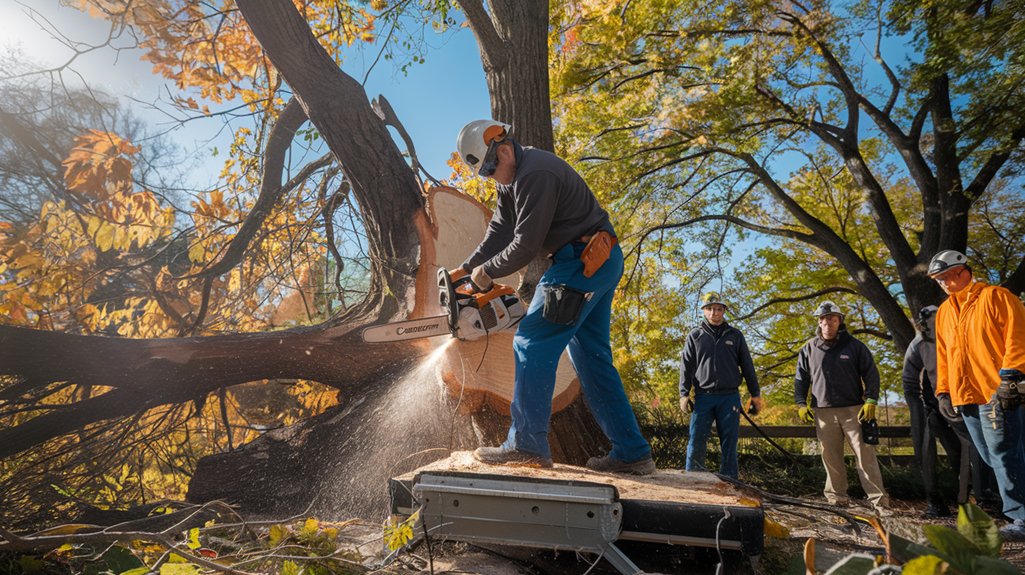
Safety is paramount in tree removal services. Professionals follow strict safety protocols to protect themselves, their crew, and the surrounding area. This includes wearing protective gear, using appropriate tools, and having a clear plan in place before commencing work.
Additionally, tree removal companies often conduct safety briefings and risk assessments prior to starting a project. For instance, they might identify potential hazards such as nearby power lines or unstable ground conditions, ensuring that all necessary precautions are taken to prevent accidents during the removal process.
After a tree has been removed, post-removal services are essential to restore the area. This may include stump grinding, debris removal, and site cleanup to ensure the property is left in good condition. Many tree removal companies offer these services as part of their package, providing customers with a comprehensive solution.
For example, stump grinding not only eliminates the visible stump but also prevents potential pest infestations and allows for replanting options. By offering these additional services, tree removal professionals ensure that customers are satisfied and that the landscape can be effectively managed moving forward.