Understanding Hazardous Trees: Signs and Risks
Identifying hazardous trees is crucial for maintaining safety in residential and commercial areas. Signs of a hazardous tree include dead or dying branches, root decay, and leaning trunks, which can indicate structural instability.
Regular inspections by professionals can help detect these issues early. For instance, a tree with a significant lean might pose a risk during storms, while branches that are dead or diseased can fall unexpectedly, endangering people and property.
The Importance of Professional Tree Assessment
Engaging a professional for tree assessment ensures a thorough evaluation of tree health and stability. Experts utilize specialized knowledge to determine whether a tree poses a risk and recommend appropriate actions.
For example, certified arborists can perform risk assessments that take into account species, age, and environmental factors, providing homeowners with peace of mind and actionable insights for tree management.
Tree Removal Process: What to Expect
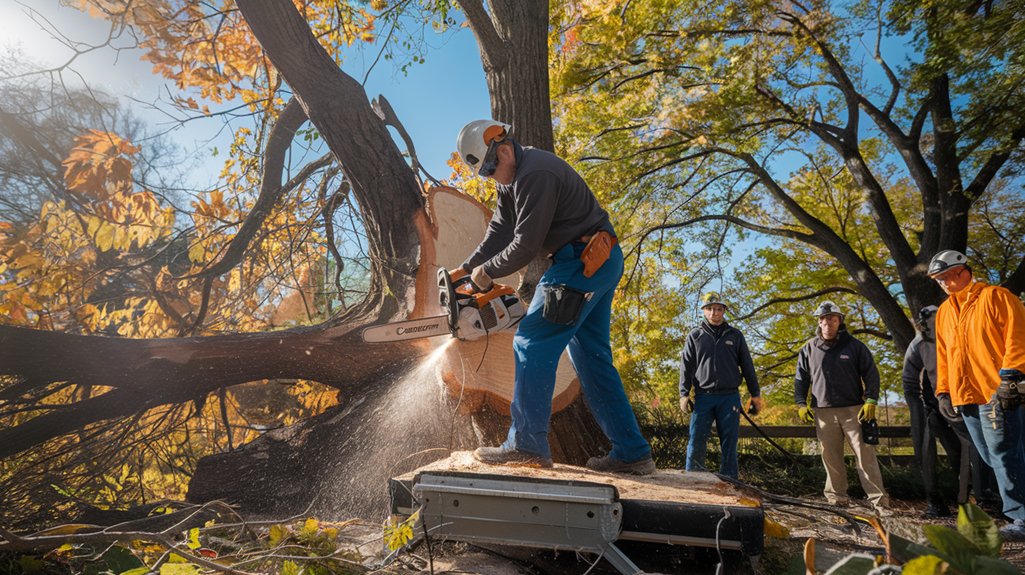
The tree removal process typically involves several steps, beginning with a comprehensive assessment and ending with safe removal and site cleanup. Professionals will first evaluate the tree's condition and surrounding environment to devise a safe removal plan.
During removal, equipment such as cranes or specialized saws may be used to ensure safety and efficiency. After the tree is removed, the area is often cleared of debris, and stump grinding may be performed to prevent future issues.
Post-Removal Care: Ensuring Landscape Safety
After a hazardous tree is removed, it’s essential to address the surrounding landscape to maintain safety and aesthetics. This may include filling in holes, replanting, or reinforcing nearby plants to prevent soil erosion.
Additionally, homeowners should consider consulting with professionals about ongoing tree care and maintenance to ensure that remaining trees remain healthy and do not become hazardous in the future.