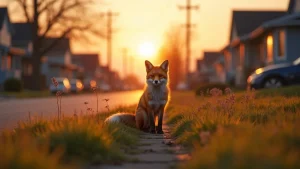
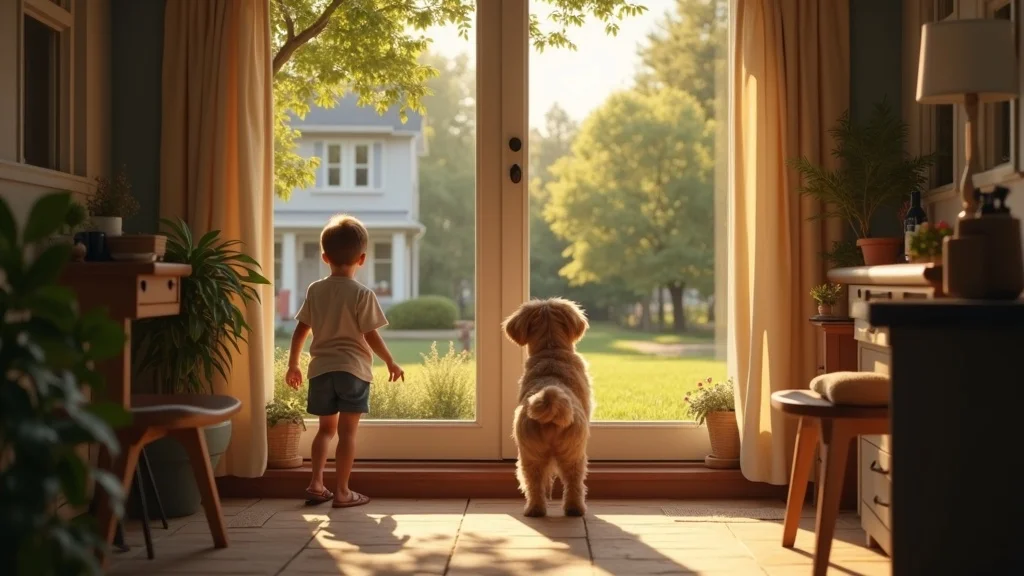
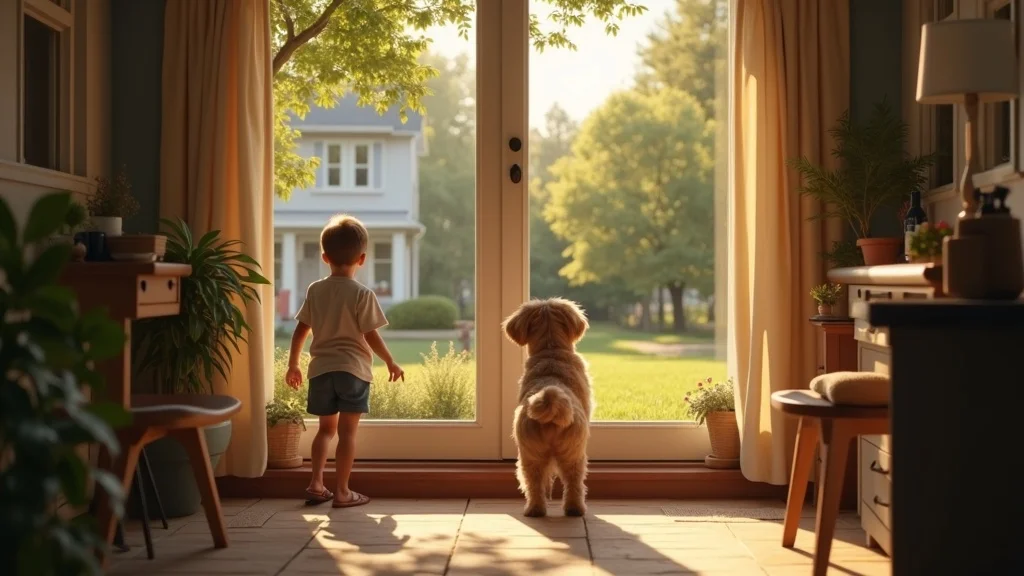
Did you know? Over 75% of reported household wildlife encounters involve families with children or pets—making wildlife removal safety not just important, but critical for homes nationwide. As wildlife increasingly makes its way into suburban neighborhoods, ensuring the removal process is safe for your youngest and furriest family members is more crucial than ever. This guide unpacks the facts, exposes the risks, and shows you how top professionals keep your loved ones secure before, during, and after animal removal.
Unveiling the Truth: Startling Facts About Wildlife Removal Safety
The average family rarely expects wild animals to breach their living space, but when squirrels in the attic or raccoons under the porch appear, the risks become real. Wildlife removal safety is not just about getting the animal out—it’s about making sure your home, young children, and pets aren’t exposed to hidden dangers like disease, toxins, or aggressive wildlife behavior during the process.
Whether you’re facing a sudden wildlife intrusion or proactively seeking to protect your home, understanding the real health risks, potential for secondary infestation, and the critical role of professional wildlife removal is the first step to a safe and healthy household. Far too often, families underestimate the dangers of improper animal removal, especially when children or pets follow their natural curiosity right into harm’s way.
Wildlife Removal Safety: Why It’s Crucial for Families with Children & Pets
For families, prioritizing wildlife removal safety means adopting practices that shield the youngest and most vulnerable members of the household. Children and pets are naturally curious, putting them at higher risk of coming into contact with wild animals, droppings, or pest control chemicals. Exposure can lead to serious health hazards—from the transmission of zoonotic diseases to accidental poisoning or bites.
Moreover, wild animals tend to seek out quiet, hidden places to nest, like crawlspaces, attics, or basements—areas where kids play or pets explore. By understanding these risks, you can better appreciate why animal removal must be approached with ample caution and professional protocols. The peace of mind that comes from a safe and effective wildlife removal process is invaluable for any parent or pet owner.
When considering the safety of your family, it’s also important to take proactive steps to keep wildlife out in the first place. For practical advice on securing your property and minimizing future risks, explore these wildlife prevention tips for Denver homeowners—a resource that complements the safety strategies discussed here.
What You’ll Learn in This Guide to Wildlife Removal Safety
- Understand the core risks of animal removal for children and pets
- Learn the best professional wildlife removal practices for a safe environment
- Explore proven strategies to prevent future wildlife problems
Core Aspects of Wildlife Removal Safety: How Professionals Protect Your Home
Effective wildlife removal safety relies on more than simply ejecting unwanted guests from your home. Professional wildlife removal services follow strict protocols that focus on health risks, guarantee humane methods, and ensure your family’s ongoing safety. Unlike standard pest control, wildlife removal must account for the unpredictable behavior of wild animals, potential entry points, and the unique needs of children and pets.
Licensed professionals use advanced inspection techniques, secure animal traps, and specialized protective gear to reduce risk throughout the removal process. They conduct thorough site assessments to identify exposure points, apply non-toxic deterrents where possible, and guarantee comprehensive cleanup—essential for households with vulnerable family members. The ultimate goal? Removing the animal and restoring a truly safe and healthy environment.
Assessing Health Risks in Animal Removal for Children and Pets
Every wild animal carries its own set of potential health hazards. From rabies in raccoons to salmonella in rodents, children and pets are especially susceptible to dangerous germs and parasites. The removal service process must take these threats seriously, deploying measures such as targeted sanitation and air purification to restore a safe and healthy household environment after every job.
Inadequate or DIY removal efforts often leave behind fur, droppings, or contaminated nesting materials—all of which can spread germs, worsen allergies, or introduce parasites like fleas and ticks into living spaces. That’s why expert animal removal teams also focus on extensive cleanup, thorough disinfection, and education for home occupants to prevent recurring incidents.
Professional Wildlife Removal vs. DIY: Safety Considerations
It might be tempting to tackle wildlife control as a weekend project, but the reality is that DIY animal removal has serious downsides. Without the right training or protective gear, homeowners risk physical injury, legal issues, and accidental exposure to toxins. By contrast, professional wildlife removal services are trained to handle wildlife in ways that safeguard your home, your family, and the animal.
Professional wildlife removal technicians are equipped with the knowledge to safely remove wild animals, seal off entry points, and manage dead animal removal without causing extra mess or spreading health risks. They’re also insured against accidents—offering an added layer of peace of mind and responsibility that DIY solutions cannot match.
How Entry Points Affect Wildlife Removal Safety in Your Home
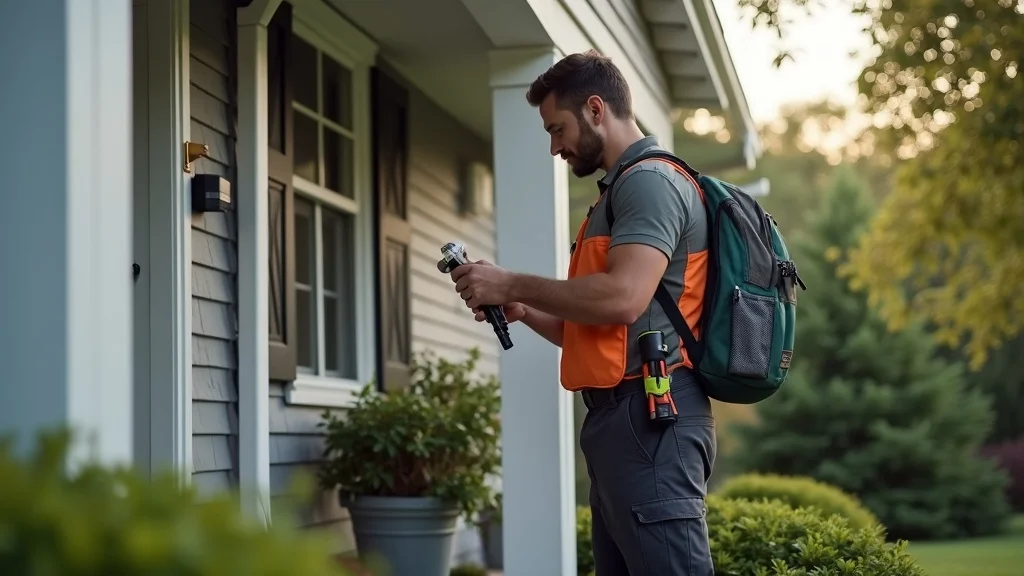
Wild animals don’t just stroll in through the front door—they exploit overlooked entry points in attics, basements, crawlspaces, vents, or foundations. Every access point is a potential safety risk for children and pets after an animal removal process if not properly secured. Both detection and sealing of these entry points play a crucial role in maintaining a safe and healthy home.
Professionals use high-resolution assessments to trace the hidden spots where animals break in, develop custom strategies to block these paths, and use safe, pet-friendly materials to prevent future intrusions. Ignoring or poorly sealing entry points can lead to recurring wildlife issues, endanger the clean-up process, and undermine the goal of a thoroughly protected home.
Identifying Entry Points and Their Dangers
Detecting entry points requires a keen understanding of animal behavior and building vulnerabilities. Common access points include damaged soffits, broken vent covers, loose siding, unscreened chimneys, and gaps near windows and doors. These breaches not only allow animals to enter but may also let in contaminants, pests, or even weather damage.
If children or pets frequent areas near these access points—attics, garages, or backyard sheds—they could inadvertently contact wild animals or remnants like fur, droppings, or nesting debris. This increases the likelihood of injury or exposure to disease, making proper detection and repair absolutely necessary for comprehensive wildlife removal safety.
Sealing Entry Points: Keeping Families Safe for the Long Term
Long-term wildlife control hinges on effectively sealing every identified entry point. Professional technicians use a combination of welded wire mesh, heavy-duty sealants, steel screens, and pet-safe barriers to ensure that wild animals stay out. These preventative steps go beyond temporary fixes—delivering robust protection against future issues and helping to safeguard your home year-round.
Properly sealed homes not only prevent re-entry but also reduce the risk of secondary infestations, pest control chemical exposure, and structural wear. This proactive approach offers families ongoing peace of mind—so children, pets, and parents alike can enjoy their home without worry for months or years to come.
Dead Animals: Removal Hazards and Health Risks for Households
Sometimes, animal removal is required after the fact—when a dead animal is located in the attic, crawlspace, or walls. Dead animals present unique health risks, including hazardous bacteria, foul odors, airborne pathogens, and the arrival of scavenger insects. Prompt, professional dead animal removal is essential for keeping the entire household safe and healthy.
Children and pets are especially vulnerable to the aftermath of a decomposing dead animal. Handling such situations without proper safety gear or training can compromise air quality, cause illness, and lead to lingering pest issues throughout the home.
Why Dead Animal Removal Must Be Done by Professional Wildlife Experts
Removing a dead animal is far from a simple clean-up. Experts trained in professional wildlife removal use protective gear, toxic-free disposal methods, and sterile cleaning procedures to minimize the spread of germs and odor. They also safely identify any lingering pest control issues—such as insects that are drawn to the carcass or nearby contaminated materials.
Amateurs risk missing portions of the dead animal, spreading contamination, or inadvertently coming into direct contact with dangerous bacteria and parasites. Entrusting this job to professionals not only protects your family’s health but also prevents costly damage and extensive repair later on.
“Leaving a dead animal unattended in your property poses significant health risks—especially for vulnerable populations like children and pets.” — Industry Expert
Hidden Dangers: Diseases & Parasites from Dead Animals
Dead animals attract blowflies, beetles, and other insects, which can rapidly spread germs and disease throughout your home. Beyond odor, decomposing remains may host dangerous pathogens such as Salmonella, Leptospira, or even ringworm spores—posing ongoing health hazards for children and pets who frequent the affected area.
Without swift and professional dead animal removal, your home could become a secondary breeding ground for pests—leading to additional wildlife removal and pest control challenges in the future. Long-term exposure can even impact air quality, creating respiratory risks or exacerbating allergies for all household members.
Pest Control Methods: Evaluating Wildlife Removal Safety Protocols
Choosing the right pest control methods for wildlife removal is crucial for maintaining household safety. Not all pest control approaches are equal: some use harsh chemicals or dangerous traps, while others opt for humane, child- and pet-safe strategies. The best wildlife removal services tailor their practices to minimize risk and optimize long-term safety for every family member.
Integrating child-safe protocols, frequent safety checks, and non-lethal deterrents, professional wildlife removal services emphasize both the humane treatment of animals and the ongoing health of your home environment. This comprehensive approach is vital for any household with kids or pets.
Choosing Humane and Child-Safe Animal Removal Services
Many families are concerned about the ethical implications of animal removal. Humane methods—such as live traps and catch-and-release tactics—go a long way to ensure wild animals are removed compassionately without compromising the safety of your children or pets. This approach is not only better for the animals but keeps potentially harmful traps and poisons out of family spaces.
Professional wildlife removal services also educate homeowners on humane exclusion techniques, such as installing one-way doors or deterrents that discourage re-entry without harming wildlife. Prioritizing these solutions aligns with both legal concerns and best safety practices, providing a win-win outcome for all.
Pest Control Chemicals and Pet Safety
While chemical-based pest control may sometimes be necessary, indiscriminate use in household areas can pose serious risks to children and pets. Exposure to rodenticides, insecticides, or harsh disinfectants can result in poisoning, allergic reactions, or long-term health problems. That’s why leading professional wildlife removal services only use treatments approved for residential use and take special care to keep pets and kids away from application sites.
Whenever possible, look for companies that offer chemical-free or integrated pest management solutions. Always ask your removal service about their protocols, safety certifications, and thorough cleanup strategies before work begins. Transparency and vigilance ensure every family member stays safe.
Wildlife Removal Services: What to Expect from Professional Wildlife Removal
- Safety checks: Full assessment for health risks and secure animal handling.
- Preventative measures: Sealing entry points and removing attractants to prevent future wildlife issues.
- Guaranteed humane treatment: Use of non-lethal traps, catch-and-release where possible, and eco-friendly deterrents.
Prevention Strategies: Steps to Prevent Future Wildlife Risks
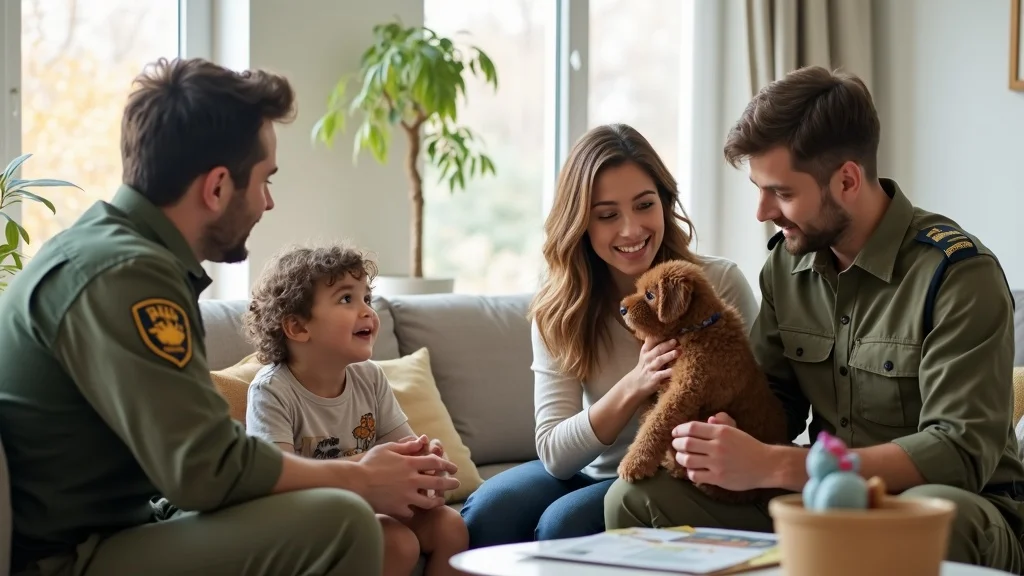
The best way to maintain wildlife removal safety is to prevent incidents before they begin. This means taking proactive steps to animal-proof your home, educating all household members on wildlife safety, and partnering with trusted wildlife removal services for regular inspections and maintenance. Think of prevention as an investment in your family’s lasting well-being.
Beyond just managing entry points, prevention includes responsible waste management, trimming vegetation away from the house, and immediately addressing leaks or foundation cracks. These habits reduce the appeal of your home to wild animals—and minimize the risk of repeated invasions down the line.
Protect Your Home: Best Practices for Ongoing Wildlife Control
Keeping your family safe starts with vigilance—regularly checking for potential access points, securing trash, and clearing debris from yards or rooftops. Store pet food and garbage in sealed containers, keep gardens trimmed, and ensure bird feeders are placed away from the home’s perimeter to avoid attracting wild animals.
For maximum security, many experts recommend an annual consultation with a professional wildlife removal service. This not only confirms that your home remains well-sealed, but also catches early-warning signs of pest activity before they can affect your children or pets.
Routine Inspections & Maintenance Tips for Wildlife Removal Safety
Make routine wildlife safety inspections part of your home’s regular maintenance schedule. Check attics, basements, crawlspaces, and garages for nesting, droppings, or strange odors. Replace worn weather stripping, repair damaged vents, and install pest-proof screens over windows and chimneys. Remember, sealing entry points as soon as you spot them is one of the most effective ways to safeguard your family year-round.
Staying alert to changes—such as faint animal noises, scratching in the walls, or unexplained messes—enables you to respond quickly and call a professional wildlife removal service without delay. Preventative vigilance is the key to peace of mind and a truly healthy environment for your loved ones.
Table: Comparing DIY vs. Professional Wildlife Removal Safety Ratings
| Aspect | DIY Wildlife Removal | Professional Wildlife Removal Services |
|---|---|---|
| Safety for Children & Pets | Often inadequate; higher risk of contact and contamination | Comprehensive protocols with safety checks for all family members |
| Success Rate | Variable, often incomplete | High; guaranteed animal removal and exclusion |
| Risk of Future Issues | High, due to missed entry points and improper cleanup | Low, with preventative measures included |
| Handling of Dead Animals | Unsafe, risk of disease | Safe, thorough, and compliant with health standards |
| Use of Chemicals | Often unsafe or inappropriate for residential use | Child- and pet-safe; only approved solutions applied |
| Insurance & Liability | None | Insured and licensed for peace of mind |
Key Takeaways: Ensuring Wildlife Removal Safety for Your Loved Ones
Summary of Wildlife Removal Safety Best Practices
Effective wildlife removal safety relies on a blend of proactive prevention, professional expertise, humane animal handling, and comprehensive home protection. Always address entry points, use certified wildlife removal services, and demand child- and pet-friendly methods for every step of the process. Make safety checks, routine inspections, and open communication with service providers top priorities—a safe and healthy environment is possible for every family.
Ultimately, swift response, professional support, and ongoing vigilance protect the peace of mind you’ve worked so hard to create for your loved ones.
When to Call a Professional Wildlife Removal Service
If you suspect a wild animal in your home, notice unexplained odors or health hazards, or spot signs of a dead animal, don’t wait. Contact a licensed professional wildlife removal service right away—especially if you have young children, pets, or recurring wildlife concerns. The right experts will keep your home safe and your family protected from start to finish.
People Also Ask: Is Destruction of Wildlife a Crime?
Wildlife Removal Safety and Legal Considerations
Removing nuisance wildlife doesn’t give homeowners carte blanche to harm protected species or violate animal control laws. In many jurisdictions, the destruction of wildlife—especially endangered or threatened species—is a crime with steep penalties. Licensed professional wildlife removal services understand relevant regulations and use humane methods to comply with all legal requirements, protecting families from accidental legal issues while ensuring every animal is handled responsibly.
Before taking any action, always consult with your local animal control office or trusted wildlife removal service to understand your obligations and avoid unnecessary risks.
People Also Ask: What are the Wildlife Safety Precautions in the Workplace?
Establishing Wildlife Removal Safety Protocols in Professional Environments
In office buildings, schools, or commercial properties, workplace wildlife removal safety demands coordinated emergency protocols, staff education, and prompt professional intervention. Employers must guarantee that pest control and animal removal are conducted only by certified professionals with full insurance.
Precautions include evacuating affected areas, posting warning signs, and thorough post-removal cleaning to eliminate exposure risks for employees and visitors. Annual wildlife safety training and facility inspections further reduce liability and support a truly healthy and safe work environment.
People Also Ask: How Much Does Terminix Charge for Wildlife Removal?
Comparing Costs of Wildlife Removal Safety Services
The price for wildlife removal services depends on the type of animal, property size, infestation severity, and your location. Leading providers, such as Terminix, typically charge between $200 and $1,500 for comprehensive wildlife removal, with additional fees for dead animal retrieval, remediation, or exclusion services. Investing in a reputable service provides not just removal, but ongoing safety and reduced health risks—well worth the expense for families prioritizing their children and pets.
Before hiring, request detailed service quotes, clarification of safety protocols, and proof of licensing and insurance from every wildlife removal company you consider.
People Also Ask: Are You Supposed to Report Roadkill?
Roadkill Removal: Understanding the Health Risks and Reporting Procedures
Roadkill can pose serious health risks when left unattended, especially close to residential or high-traffic areas. Decomposing animal remains may spread disease, attract scavengers, or become dangerous for curious children and pets. In most states, it’s recommended to report roadkill to your local animal control, public works, or wildlife authority—professional crews have the safety training and equipment to remove carcasses legally and safely.
Never attempt roadkill removal yourself without proper tools and protective gear. Call professionals who understand how to handle the situation, minimize exposure to disease, and restore a safe public environment.
FAQs: Your Wildlife Removal Safety Questions Answered
- What makes wildlife removal safety different from standard pest control?
Wildlife removal safety goes beyond insects or rodents; it considers the physical risks of wild animal encounters, zoonotic diseases, and greater potential for property damage. Professional wildlife removal services use specialized equipment and protocols for animal handling, exclusion, and ongoing safety. - Can wildlife removal safety measures affect indoor air quality?
Yes. Inadequate animal removal can leave behind droppings, fur, or decay, which pollute indoor air and cause respiratory issues, especially for children and pets. Professional cleaning and HEPA filtration restore a healthy environment after removal. - Are professional wildlife removal services insured against accidents?
Yes—reputable wildlife removal companies carry insurance covering property damage and worker injury, so families are not held liable for accidents or mistakes during the removal process. - How soon can your family resume normal activities after wildlife removal?
Usually, families can safely return to all areas of the home once professional cleaning and disinfection is complete—often within a few hours, depending on the situation and the removal process used.
Conclusion: Prioritize Wildlife Removal Safety for Your Family and Pets
Protect those who matter most—contact a professional wildlife removal service today.
As you continue to prioritize the safety of your children and pets, remember that a truly secure home environment is built on both responsive action and ongoing prevention. If you’re interested in a broader look at how professional services can support your family’s well-being—beyond just wildlife removal—take a moment to review the full range of property care solutions offered by Above and Beyond Services. From lawn care to pest management, their expertise can help you create a healthier, more resilient home for every season. Discover how a comprehensive approach can give you peace of mind and keep your loved ones protected year-round.