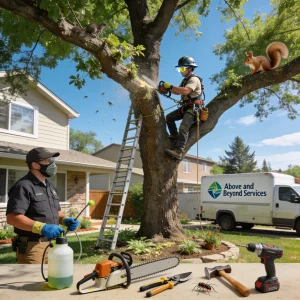

As homeowners across the Front Range prepare for the changing seasons, the 2026 Arvada pest control outlook is increasingly defined by a unique set of meteorological variables that are triggering early insect activity. Weather patterns in Colorado are notoriously unpredictable, but the combination of a mild winter transition and localized precipitation spikes has created a ‘perfect storm’ for early pest emergence. Understanding these trends is essential for protecting your property and ensuring a comfortable living environment throughout the year.
Understanding the 2026 Colorado Insect Forecast
The 2026 Colorado insect forecast suggests that we are entering a period of high biological activity. While Colorado winters usually act as a natural population control, the 2025-2026 winter season lacked the sustained, deep-freeze events necessary to significantly reduce overwintering pest populations. When soil temperatures remain above certain thresholds, many species of ants, beetles, and wasps enter a state of diapause rather than complete dormancy, allowing them to reactivate at the first sign of spring warmth.
For Arvada specifically, our proximity to the foothills and the presence of numerous open space corridors, such as those near the Ralston Creek Trail, provide a diverse habitat for pests. The early warming of the soil in these areas means that biological cycles are beginning up to three weeks ahead of historical averages. This shift impacts everything from the timing of reproductive swarms to the speed at which colonies grow in size and density.
The Biological Impact of Temperature and Moisture
Insects are ectothermic, meaning their body temperature and metabolic rate are directly regulated by their environment. In 2026, we are seeing a higher-than-average accumulation of ‘Degree Days’—a measurement used by entomologists at the Colorado State University Extension to predict when specific pests will emerge. When these degree-day thresholds are met early in the calendar year, pests begin seeking food and water sources before their natural outdoor predators have fully returned to the ecosystem.
Moisture is the second half of the equation. Arvada has seen periodic heavy snowmelt and spring rain that have saturated the soil. While this is great for our local flora, it often forces subterranean pests, such as ants and centipedes, out of the ground and into the dry, stable environment of your crawl space or basement. This migration is a primary reason why residents are seeking professional Arvada pest control earlier than in previous years.

Early Emerging Ants: The First Wave of Spring Infestations
Among the most common 2026 pest trends is the early surge of Odorous House Ants and Pavement Ants. These species are highly opportunistic. In early spring, they are primarily looking for sugars to fuel their colony’s growth. If you notice a line of ants in your kitchen in February or March, it is a direct result of the soil warming up enough to wake the queen and her workers.
Carpenter ants are also a major concern for Arvada homeowners. Unlike other ants, carpenter ants can cause structural damage by tunneling through moist or decaying wood. With the increased moisture from the 2026 snowmelt, any wood around your home’s foundation that hasn’t been properly treated or maintained is at risk. Addressing these issues early with Arvada pest control experts can save thousands in future home repairs.
Homeowners should also be aware of the ‘pantry pest’ category. Indian Meal Moths and Saw-toothed Grain Beetles are often brought into the home in bulk goods, but their reproductive cycles accelerate rapidly as indoor temperatures rise. Checking your sealed goods now can prevent a full-blown infestation that coincides with the outdoor pest surge.
Rodent Population Explosions: Why Mice Aren’t Leaving
Typically, rodents like the House Mouse and the Deer Mouse seek shelter in homes during the winter and move back outdoors as the weather warms. However, the 2026 forecast indicates that high moisture levels are leading to an abundance of seeds and vegetation. This surplus of outdoor food, combined with the safety of indoor nesting sites, is encouraging rodents to stay put and continue breeding indoors well into the spring months.
The risks associated with rodents go beyond simple nuisance. Rodents are known vectors for various diseases and can cause significant damage to electrical wiring and insulation. In Arvada neighborhoods like Leyden Rock or Candelas, where construction is ongoing, disturbed soil and new structures provide ample opportunity for rodent displacement. Professional wildlife control Denver services are often necessary to properly seal entry points and remove established nests.
Spiders and the Rise of Predatory Pests
As the insect population grows, so does the population of the predators that eat them. Spiders, including the native Western Black Widow and the common Yellow Sac Spider, are becoming more active in Arvada homes. While most spiders are harmless and actually help control other pests, an overabundance of them indicates a larger underlying pest problem that needs to be addressed.
The 2026 weather has also been favorable for the Brown Recluse, though they are less common in Colorado than in other states. However, the transport of goods and warmer average temperatures are allowing varied species to thrive in micro-climates like heated garages and basements. Keeping clutter to a minimum and ensuring that window screens are intact are vital first steps in spider management.
Wildlife Migration and Urban Encroachment in Arvada
Arvada’s unique geography creates a corridor for wildlife. As we see earlier springs, animals like raccoons, squirrels, and bats are beginning their reproductive cycles sooner. Raccoons, in particular, are highly adapted to urban life and will use the early warmth to scout for nesting sites in chimneys, attics, and under decks. Their activity is a hallmark of the 2026 pest trends we are tracking.
Bats are another concern, as they begin to return from hibernation or migration. While bats are protected and beneficial for insect control, they can become a hazard if they choose to roost within the walls of a home. Handling wildlife requires specialized knowledge and equipment to ensure both the safety of the homeowner and the humane treatment of the animals. This is where the expertise of Arvada exterminators who specialize in wildlife management becomes invaluable.
The Intersection of Tree Health and Pest Proliferation
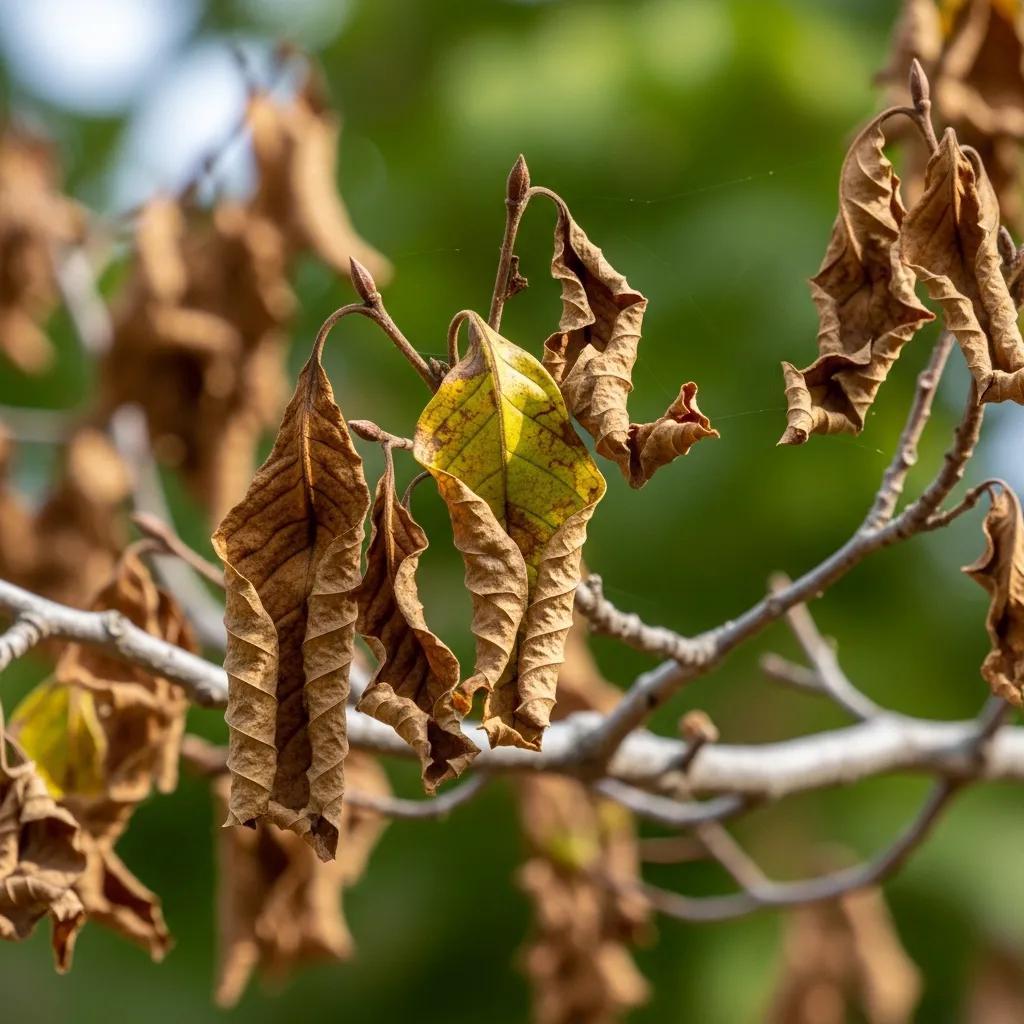
At Above & Beyond Services, we understand that a home’s ecosystem extends to the landscape. The 2026 weather hasn’t just affected indoor pests; it has also impacted the health of Arvada’s trees. Early warmth can cause trees to ‘bud out’ prematurely. If a late frost occurs, these trees are weakened, making them prime targets for pests like Aphids, Scale, and the destructive Emerald Ash Borer.
Pests that attack trees often eventually find their way toward the home. For instance, honeydew produced by aphids can attract large numbers of ants and wasps to your patio and foundation. Integrating tree care with your pest management strategy is the only way to achieve long-term protection. Pruning dead or diseased branches can remove overwintering sites for many pests before they have a chance to migrate to your home’s structure.
Technical Analysis: Why Arvada’s Soil Matters
The soil composition in Arvada, often high in clay, plays a massive role in how pests behave. Clay soils retain moisture for long periods, creating humid pockets that are ideal for pests like earwigs, sowbugs, and millipedes. In 2026, the high levels of spring precipitation have kept these soils saturated, leading to an ‘upward migration’ of these moisture-seeking pests into the drier foundations of local homes.
Furthermore, the thermal mass of Arvada’s urban areas—roads, sidewalks, and buildings—retains heat much longer than the surrounding natural plains. This ‘Urban Heat Island’ effect means that pests in residential areas are often several degrees warmer than those in the wild, further accelerating their biological clocks. This is why you might see a pest problem in your neighborhood weeks before it appears in the open spaces of Jefferson County.
Proactive Prevention Strategies for Arvada Homeowners
To combat the early arrival of pests in 2026, homeowners should take immediate action. The most effective form of Arvada pest control is prevention. By making your home less attractive to pests, you can significantly reduce the likelihood of a major infestation. Start by inspecting the exterior of your home for any cracks or gaps in the foundation, siding, or around utility penetrations.
- Seal the Perimeter: Use high-quality caulk or expandable foam to seal gaps. Even a gap the size of a pencil can allow a mouse or a colony of ants to enter.
- Manage Moisture: Ensure that gutters are clean and that downspouts direct water at least five feet away from the foundation. Fix any leaking outdoor faucets immediately.
- Landscaping Maintenance: Trim bushes and tree branches so they do not touch the side of your home. This eliminates ‘bridges’ that ants and spiders use to bypass ground-level treatments.
- Store Food Properly: Keep all dry goods in airtight containers and avoid leaving pet food out overnight, which is a primary attractant for both rodents and wildlife.
Why Early Intervention with Arvada Exterminators Matters
Waiting until you see a swarm or a significant number of pests often means that a colony is already well-established. In the context of the 2026 pest trends, early intervention is more important than ever. Arvada exterminators have the tools to identify the early signs of activity that the average homeowner might miss, such as frass, pheromone trails, or subtle entry points.
Professional services offer more than just a quick fix; they provide a comprehensive approach known as Integrated Pest Management (IPM). IPM focuses on long-term prevention by combining biological, cultural, and physical controls with the judicious use of pesticides. This method is safer for your family and pets while being more effective at breaking the life cycle of the pests.
The Role of Integrated Pest Management (IPM) in 2026
The 2026 season requires a dynamic approach. Because the weather is causing pests to behave differently, a static treatment plan may not be enough. IPM allows professionals to adapt to the specific conditions of your property. For instance, if the Colorado insect forecast predicts a spike in mosquito activity due to standing water, an IPM approach would focus on larval control and habitat modification rather than just spraying adult mosquitoes.
This holistic view also considers the impact of pest control on beneficial insects. At Above & Beyond Services, we strive to protect pollinators like bees and butterflies while targeting only the pests that threaten your home and health. By understanding the biology of the target species, we can apply treatments at the most effective time and place, reducing the overall environmental footprint.
Long-Term Outlook: What to Expect Through Summer 2026
As we move from spring into the heat of the summer, we expect the early surge of pests to transition into a sustained high-activity period. The early start to the breeding season means that many species will be able to fit an extra generation into the 2026 calendar year. For Arvada residents, this could mean a particularly intense season for wasps and hornets in late July and August.
Additionally, the continued moisture might lead to a higher-than-normal population of West Nile-carrying mosquitoes. Staying vigilant and maintaining your pest control barriers throughout the summer will be necessary to ensure the early spring surge doesn’t turn into a summer-long battle. Regular inspections and maintenance are the keys to staying ahead of the curve.
In conclusion, the 2026 Arvada pest season is shaping up to be one of the most active in recent history due to the unique convergence of mild temperatures and high moisture levels. By understanding how the weather influences pest behavior, you can take proactive steps to protect your home. Whether you are dealing with an early ant invasion, a persistent rodent issue, or need advice on keeping your landscape healthy, seeking professional Arvada pest control is the most reliable way to ensure your peace of mind. Don’t wait for the pests to make the first move; take action today to secure your home against the 2026 surge. For expert assistance tailored to the unique needs of Colorado homeowners, contact Above & Beyond Services and let our team provide the customized solutions you need to stay pest-free all year long.